
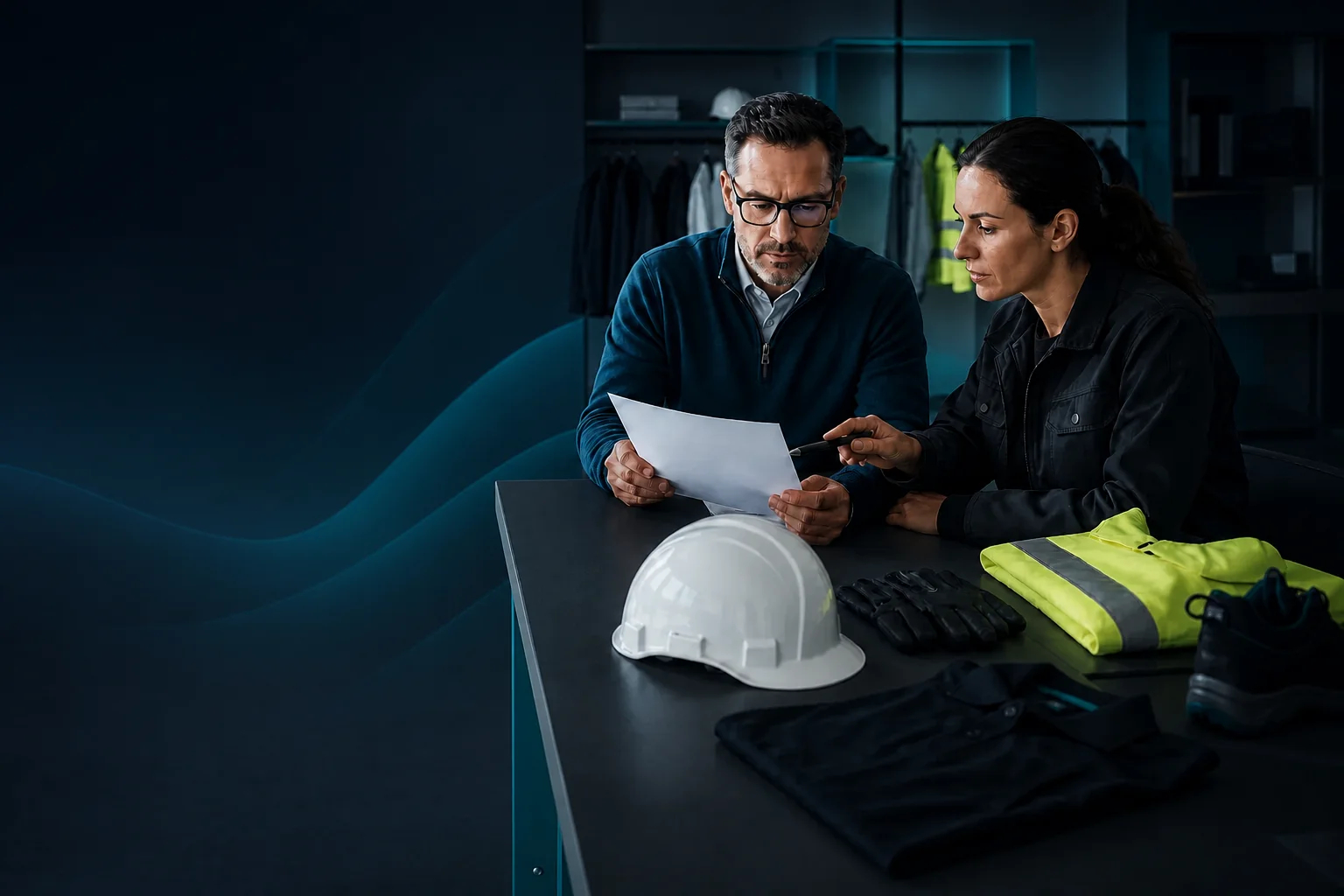
Industry decision support
Role-based PPE procurement
Choose an industry, then review typical roles, hazards, categories, brands, professional articles and services. These lists are starting points; the final PPE specification must reflect the local risk assessment.
Four procurement gateways
Start with the real working environment
We connected the Delta Plus sector structure with Tilonasec role-based procurement guidance.
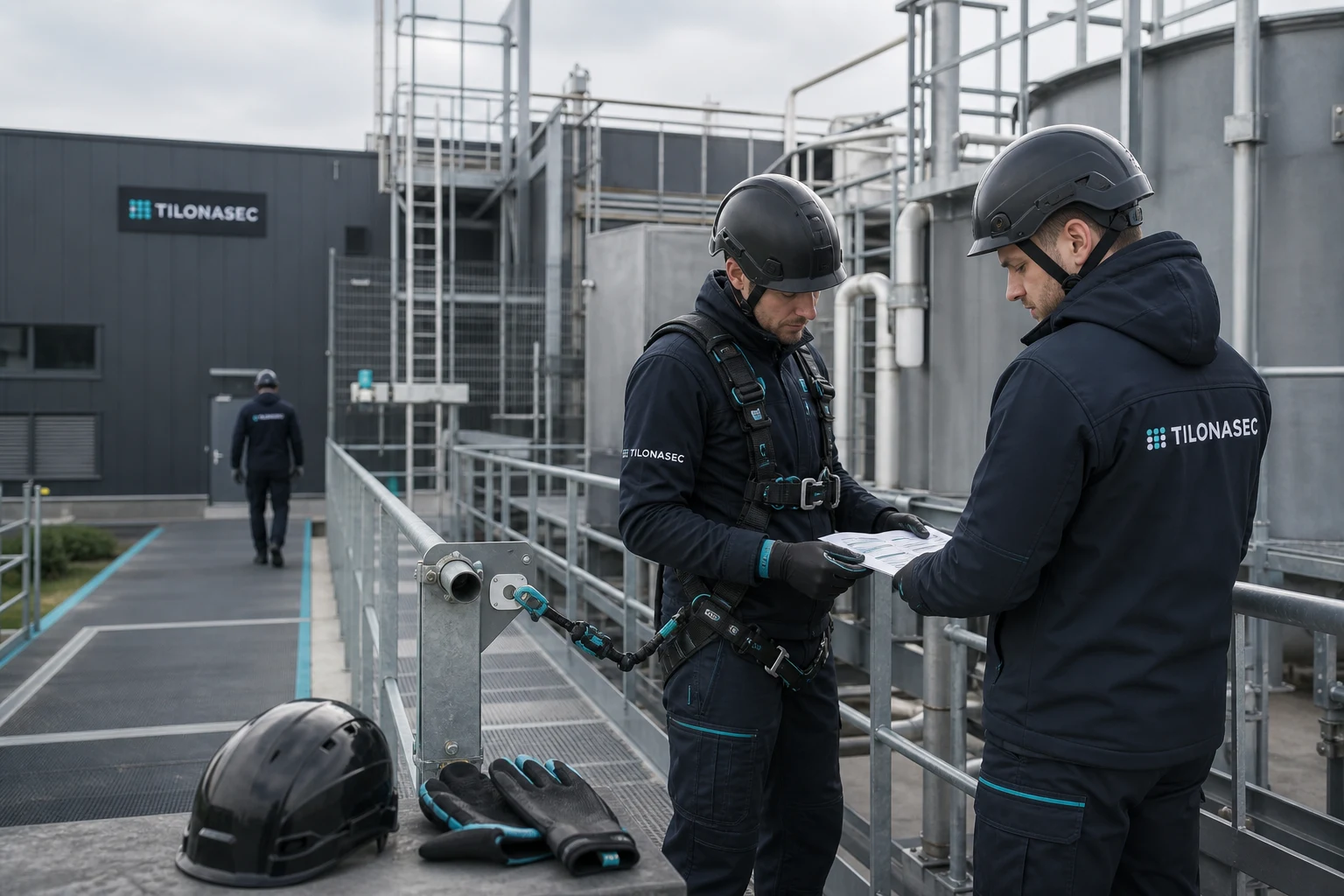
Construction, energy and field work
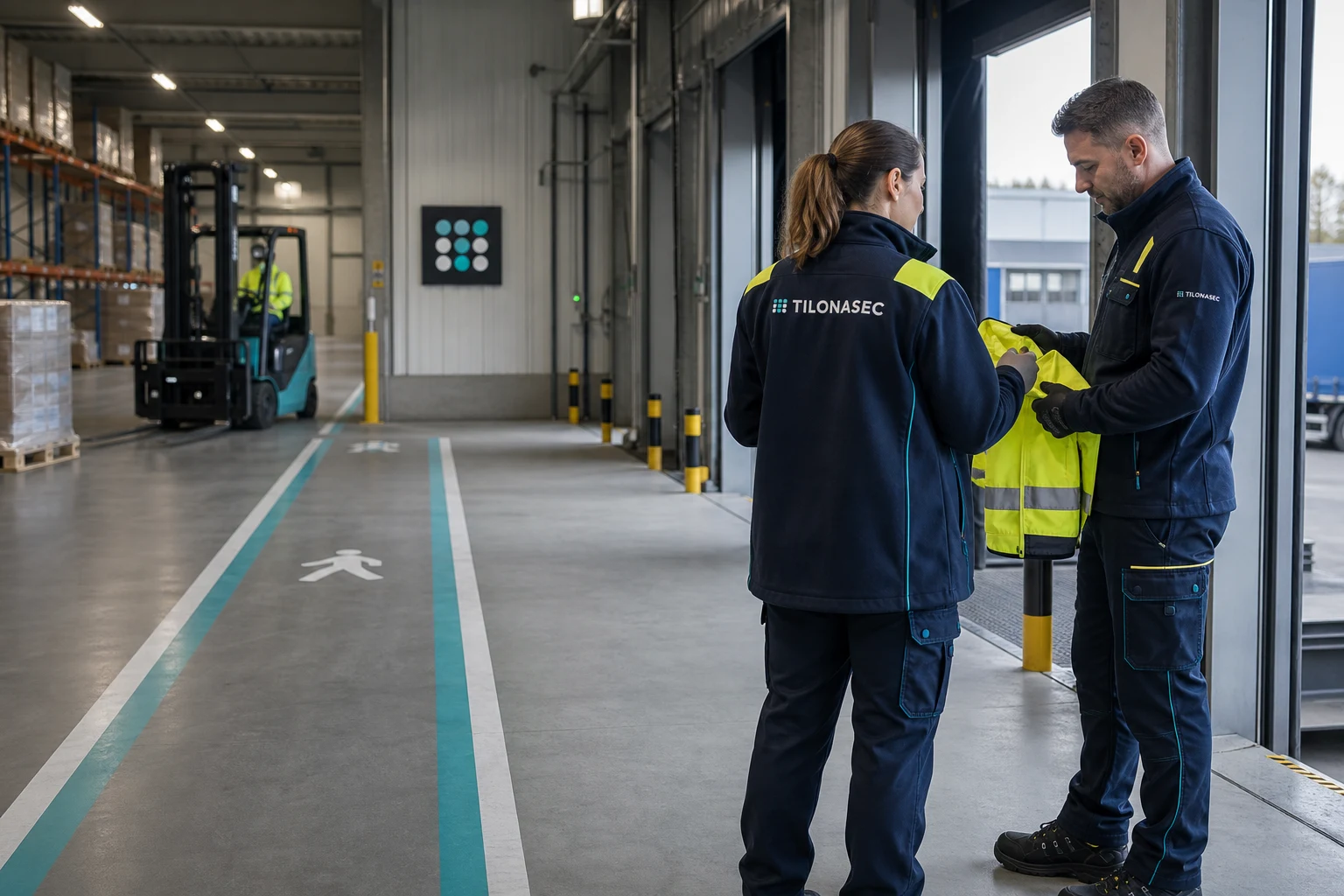
Logistics and warehousing
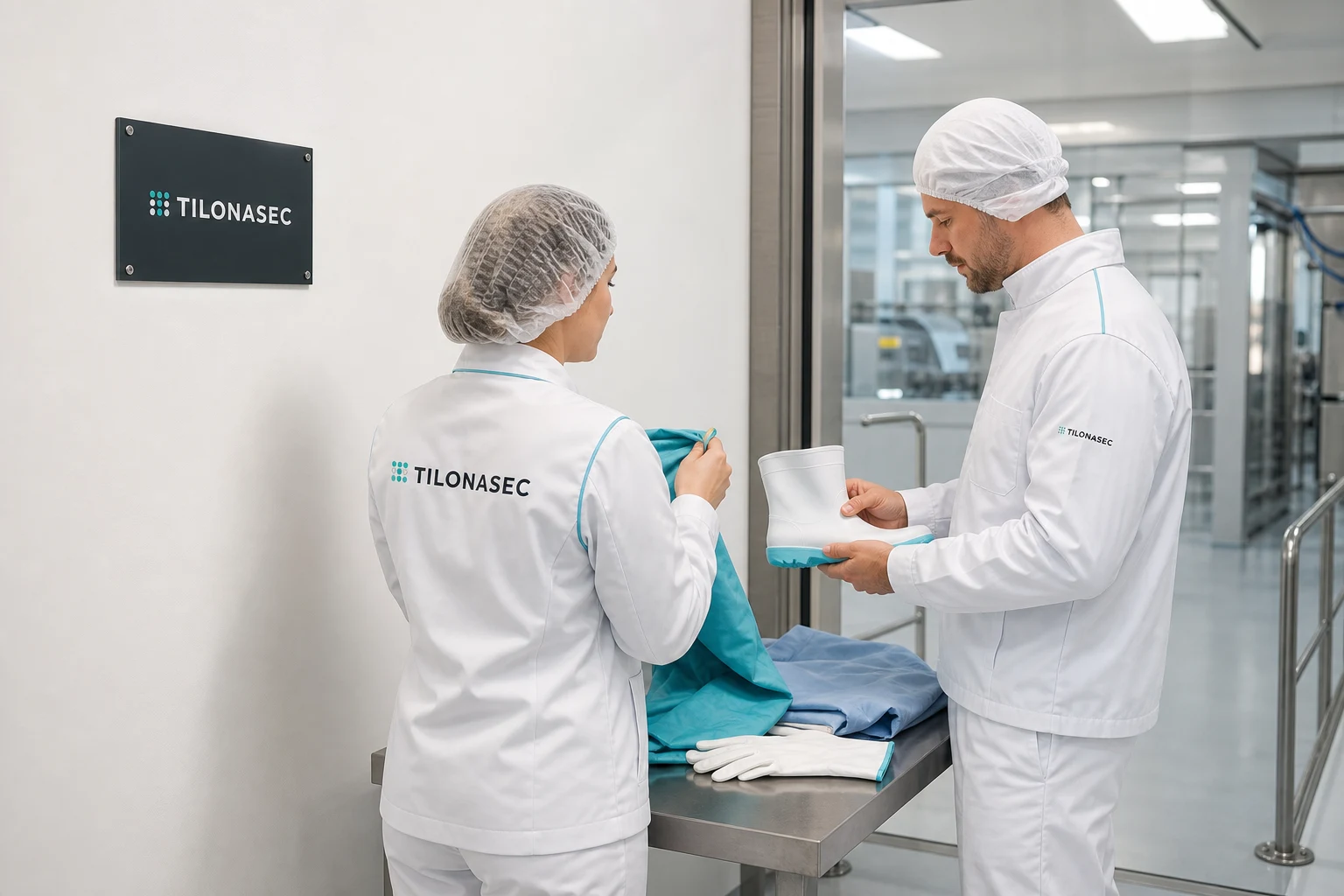
Food and hygiene
Find your industry
Detailed guides break procurement down into roles, risks, live product categories and the information needed for a quotation.
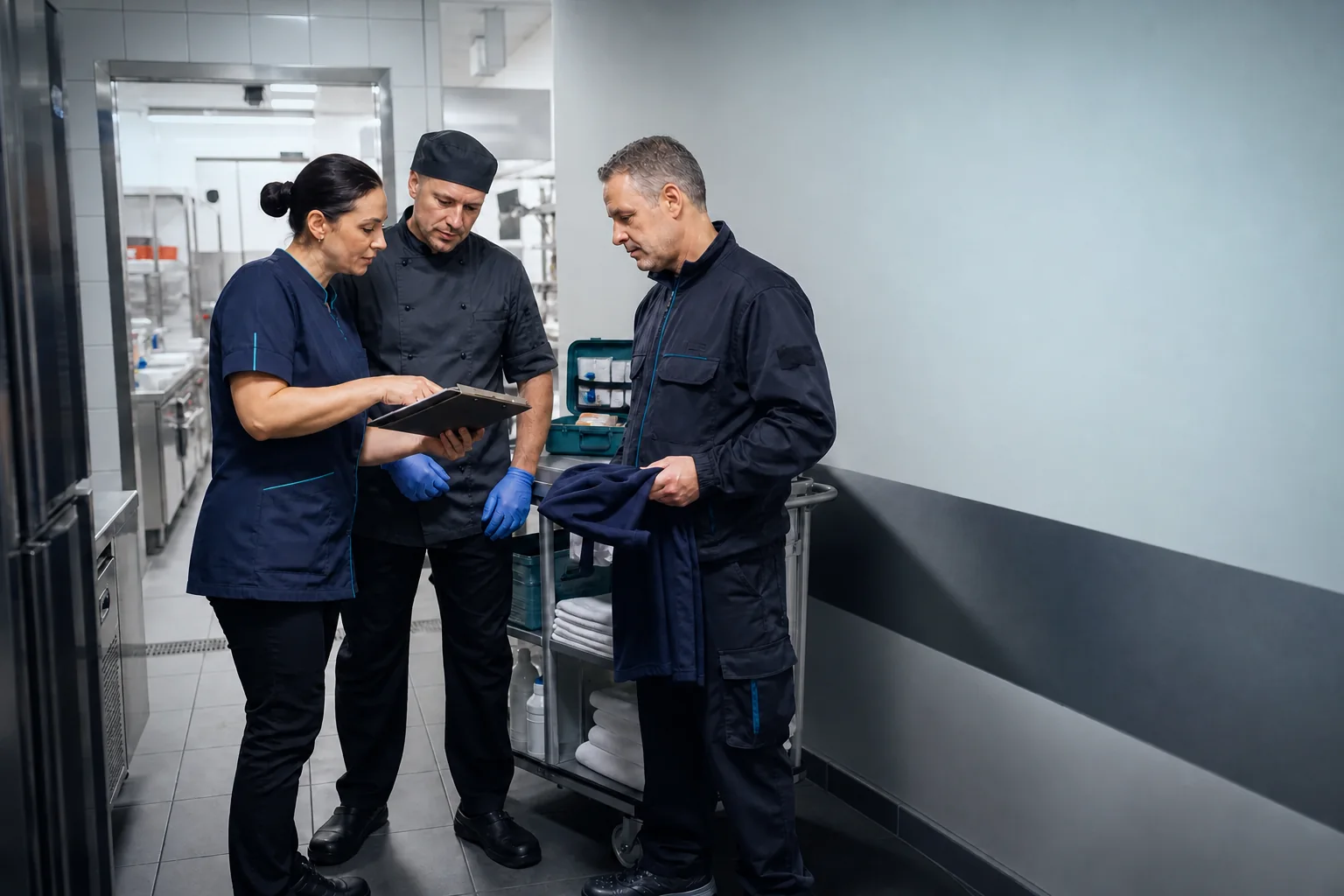
Hotels and hospitality
In a hotel, a consistent guest experience and the safety of the back-of-house team belong in the same procurement plan.
- 4 roles
- 4 roles
- 5 categories
- 5 categories
- 3 related articles
- 3 related articles
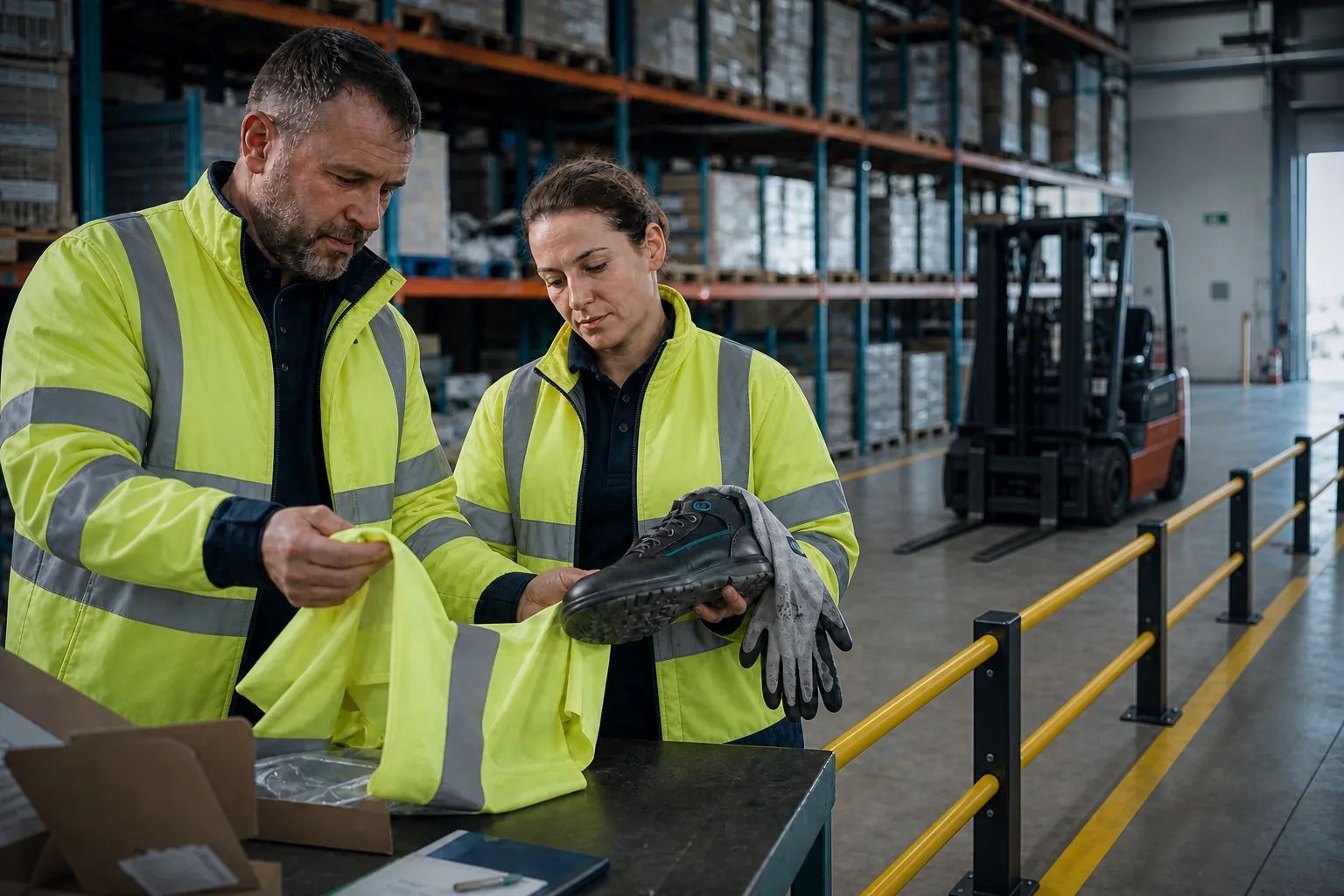
Warehousing and retail
Warehouse equipment works well when pedestrian, forklift, loading and outdoor tasks are treated as distinct risk profiles.
- 4 roles
- 4 roles
- 4 categories
- 4 categories
- 3 related articles
- 3 related articles
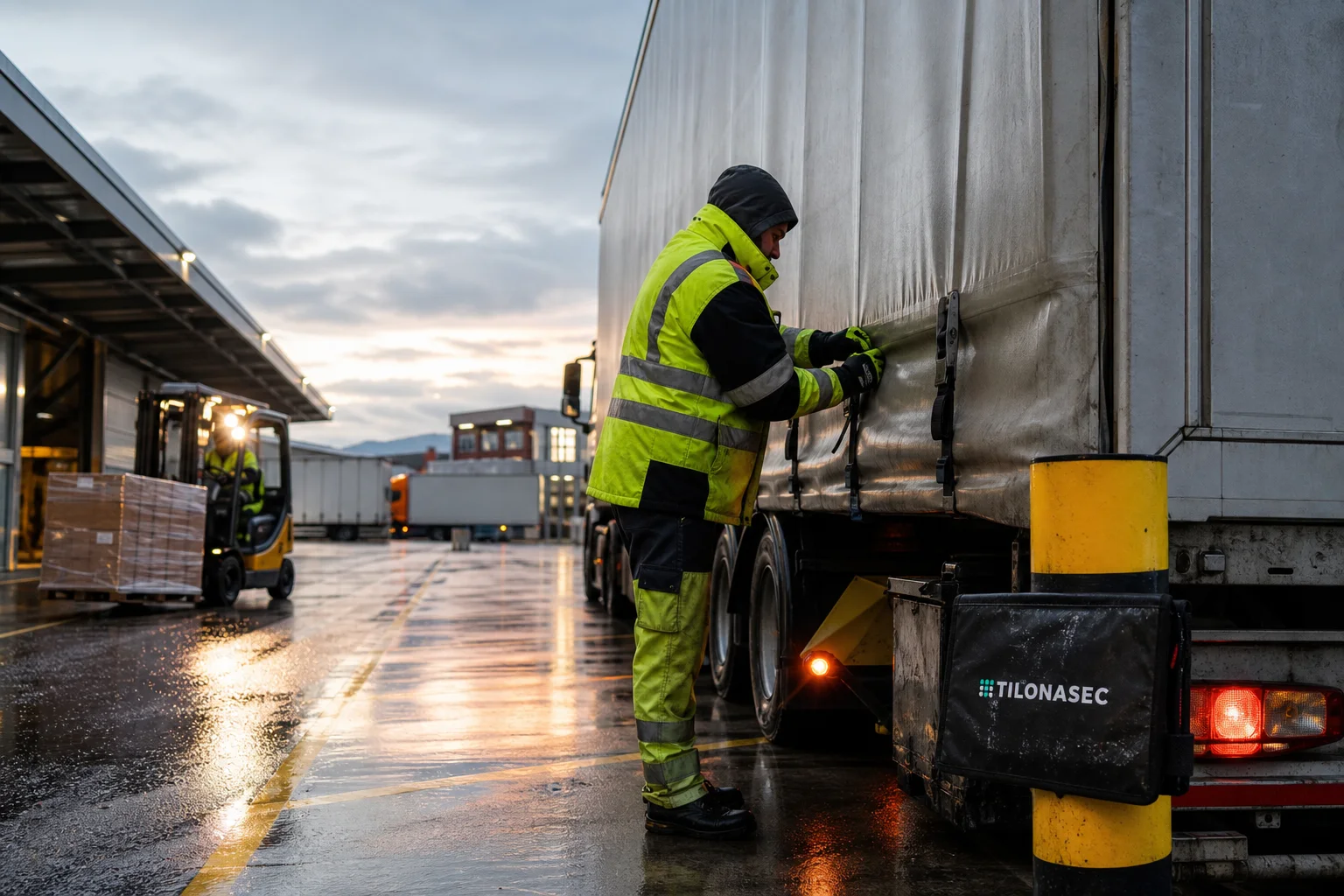
Transport and logistics
Drivers, loaders and depot employees work in different environments, but their replenishment must operate within one system.
- 4 roles
- 4 roles
- 4 categories
- 4 categories
- 3 related articles
- 3 related articles
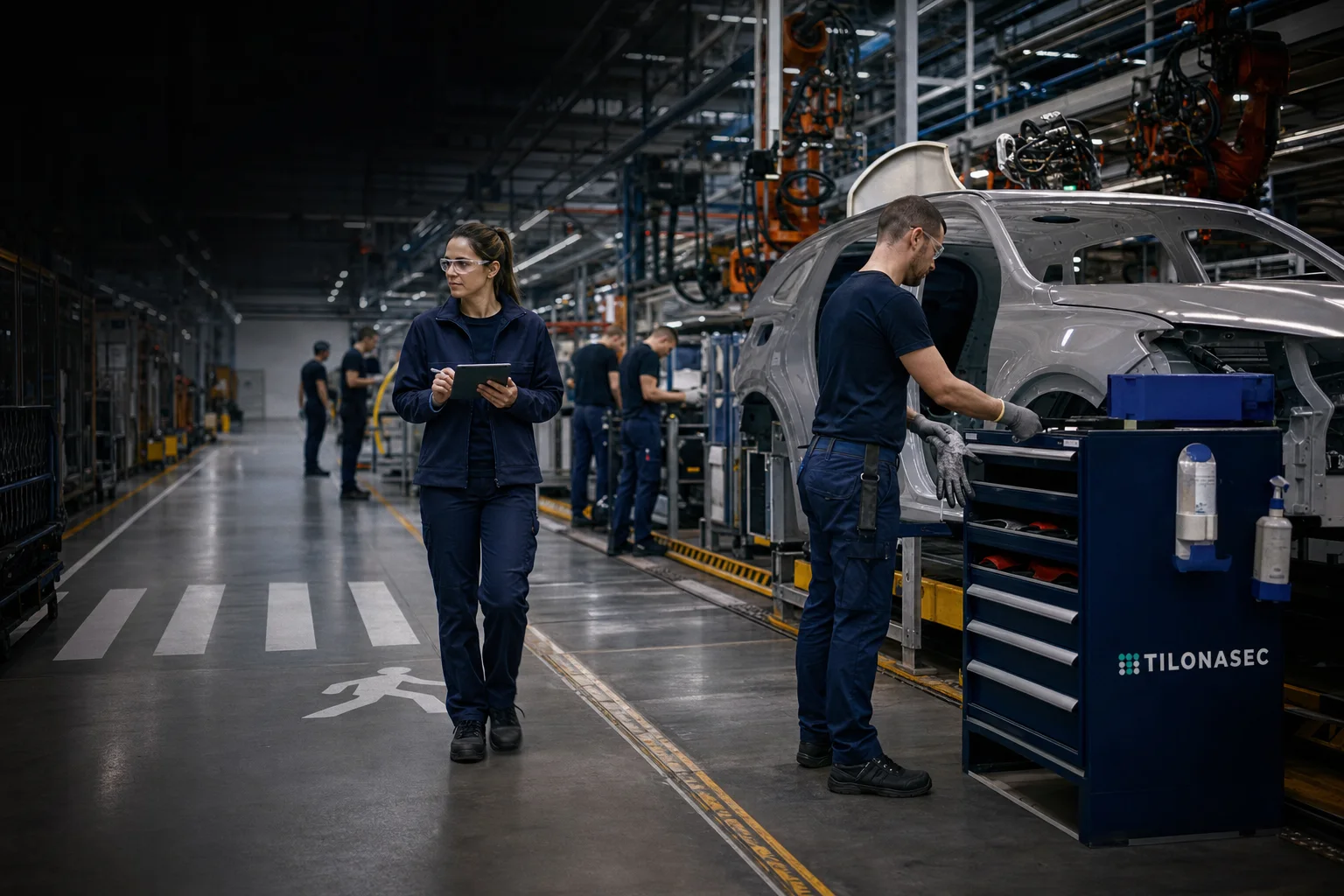
Automotive and vehicle manufacturing
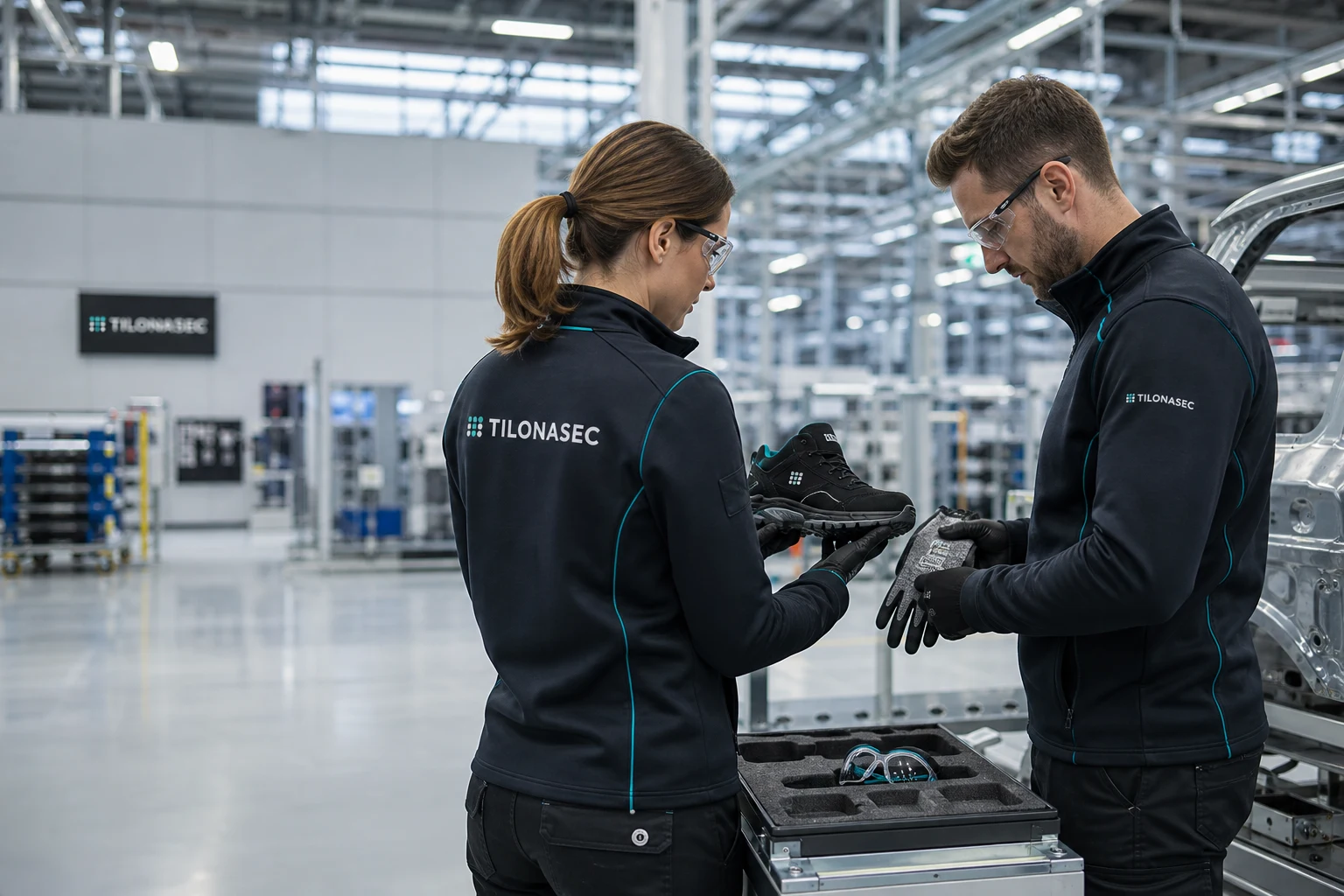
Automotive equipment planning must address the different hazards in each production cell and the compatibility of PPE worn together.
- 4 roles
- 4 roles
- 4 categories
- 4 categories
- 3 related articles
- 3 related articles
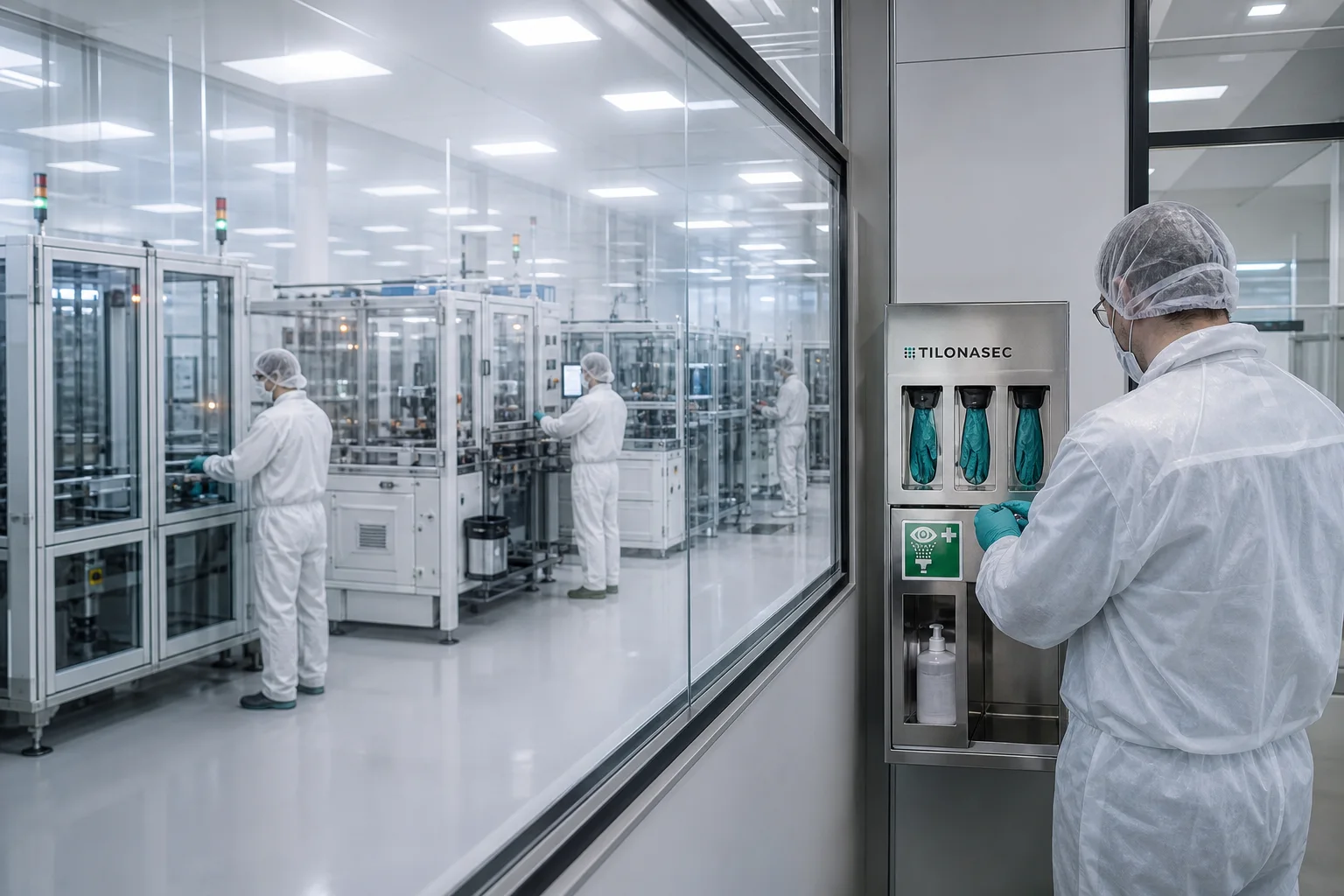
Battery manufacturing
In battery manufacturing, the material, process and emergency plan together determine the PPE system.
- 4 roles
- 4 roles
- 5 categories
- 5 categories
- 3 related articles
- 3 related articles
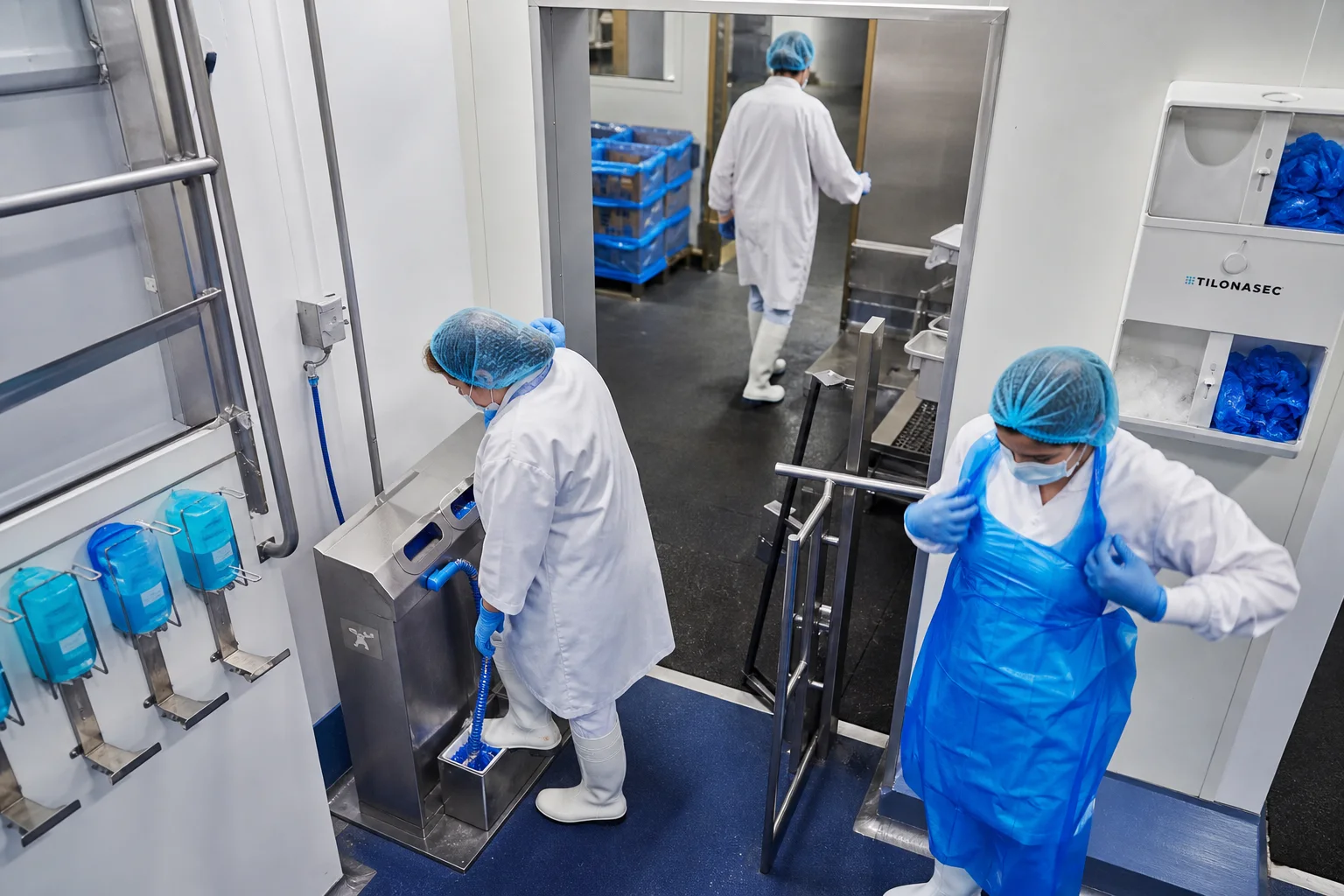
Food manufacturing
In food manufacturing, hygiene zones, processes and cleaning regimes jointly determine the equipment required.
- 4 roles
- 4 roles
- 4 categories
- 4 categories
- 3 related articles
- 3 related articles
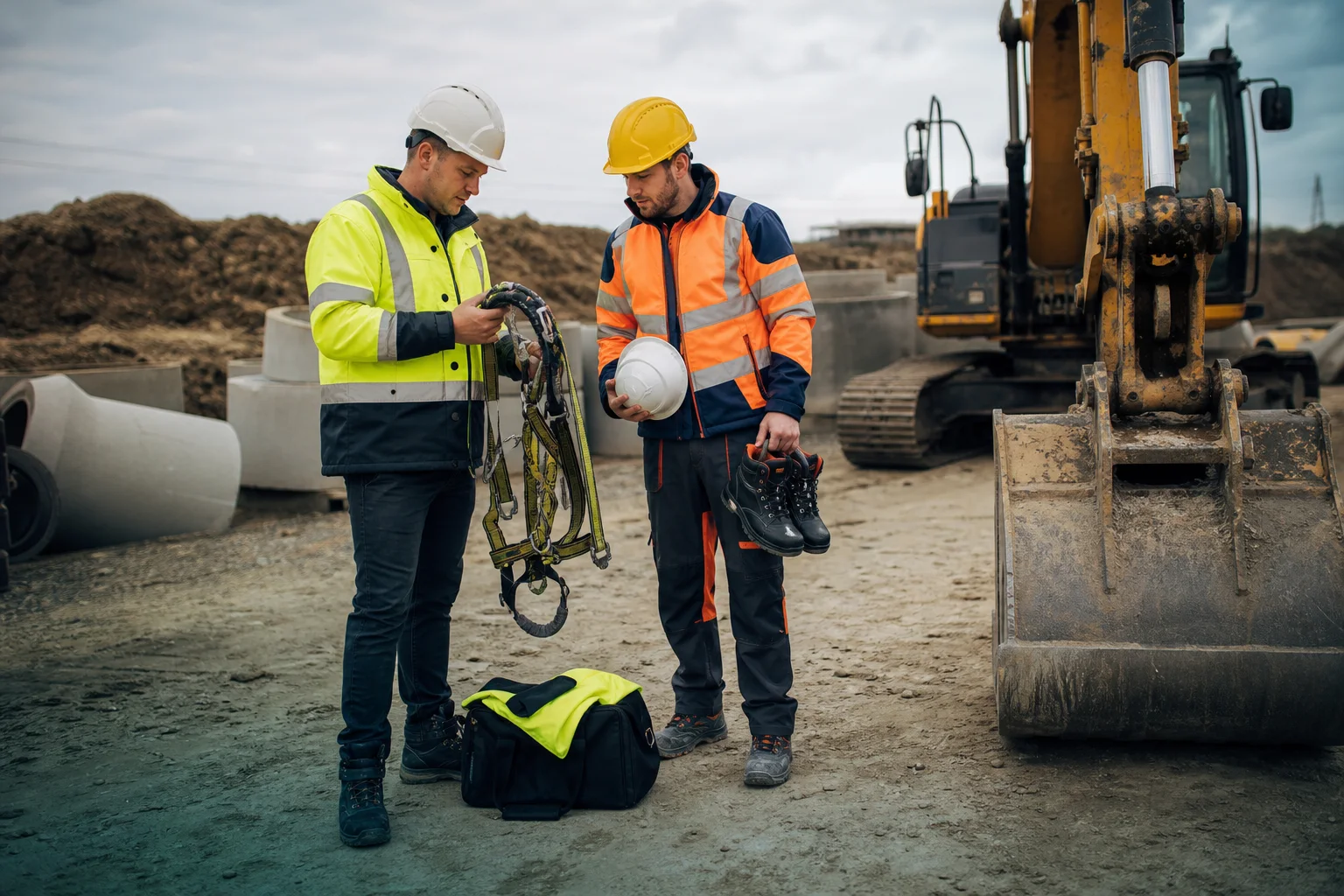
Construction and road building
On construction sites, equipment must adapt to changing work phases, subcontractors and weather conditions.
- 4 roles
- 4 roles
- 4 categories
- 4 categories
- 3 related articles
- 3 related articles
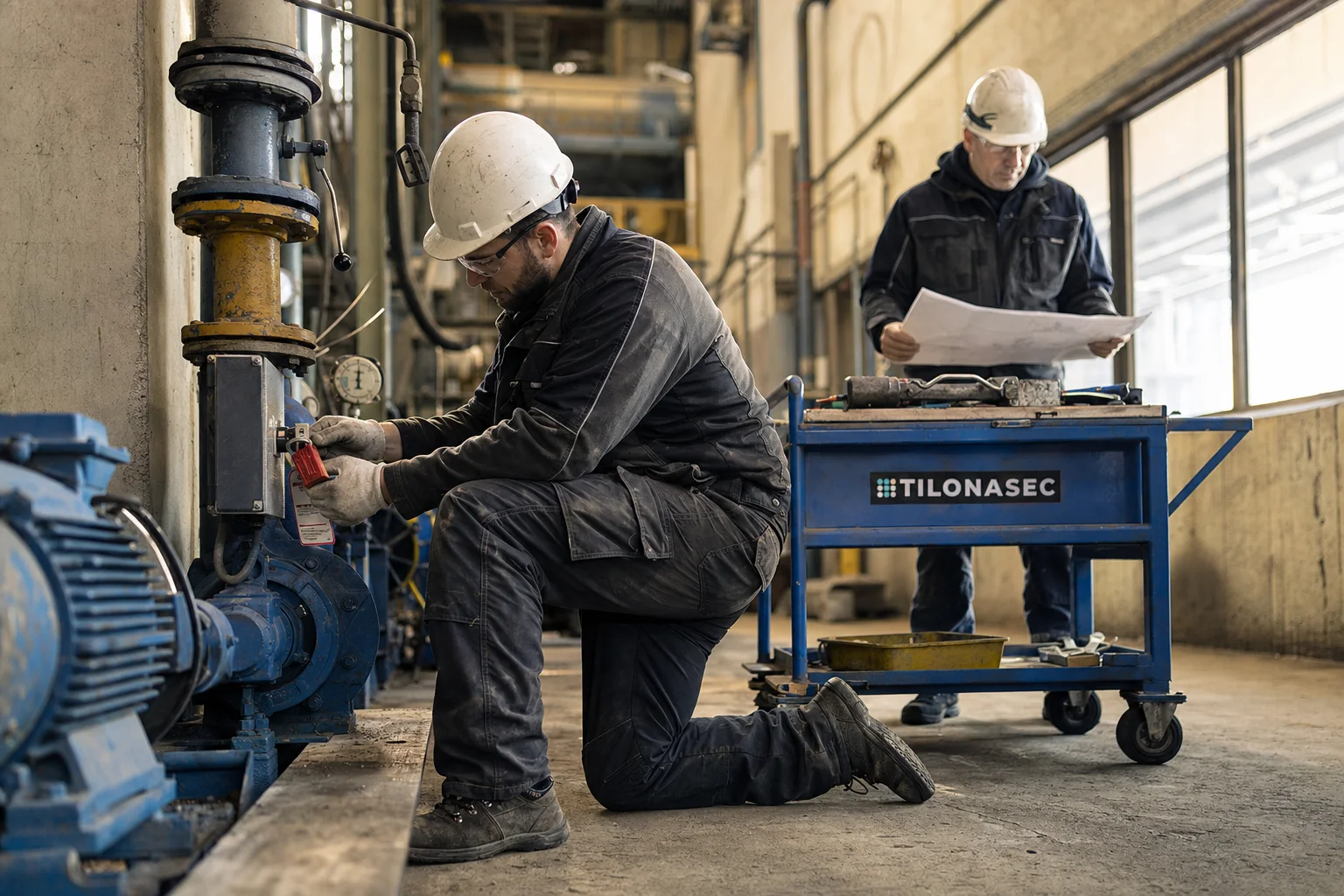
Maintenance and repair
A maintenance engineer’s equipment is not a fixed bag; it is a system of core kit and task-issued modules.
- 4 roles
- 4 roles
- 4 categories
- 4 categories
- 3 related articles
- 3 related articles
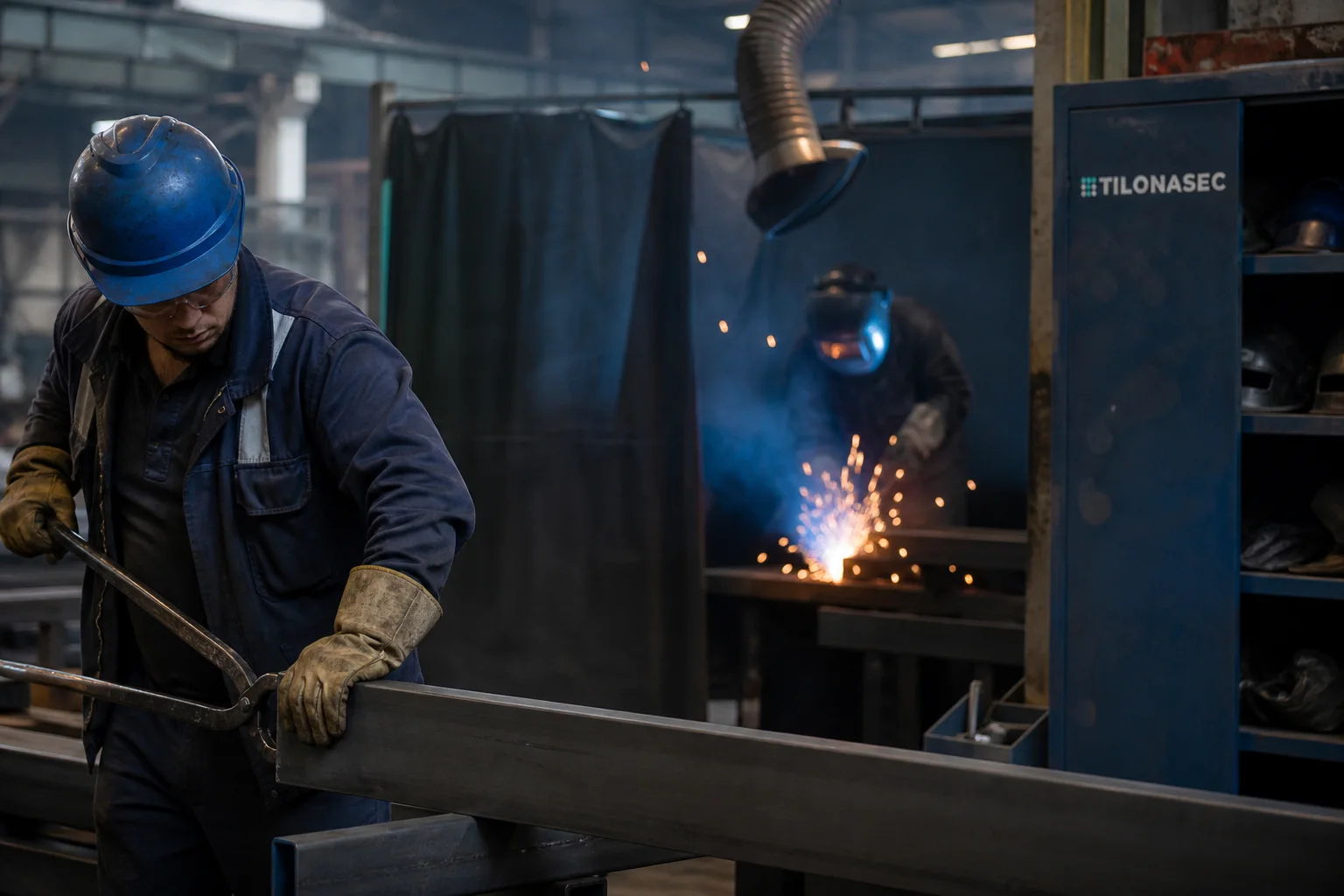
Steel and metalworking
In metalworking, cut, heat, spark, noise and handling risks can occur within a single operation.
- 4 roles
- 4 roles
- 4 categories
- 4 categories
- 3 related articles
- 3 related articles
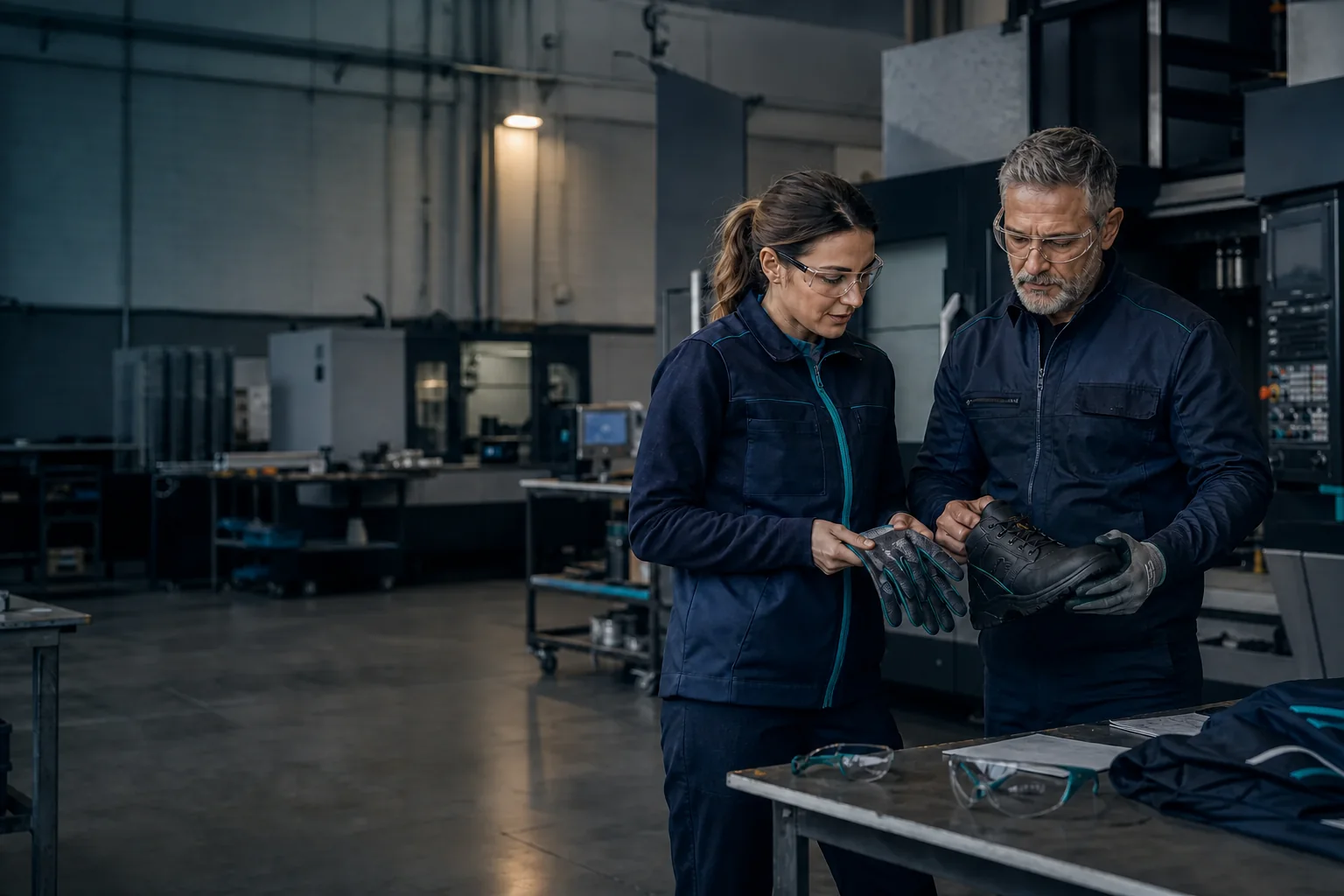
Machinery and engineering
Precision assembly and heavy machining cannot be managed with the same PPE list.
- 4 roles
- 4 roles
- 4 categories
- 4 categories
- 3 related articles
- 3 related articles
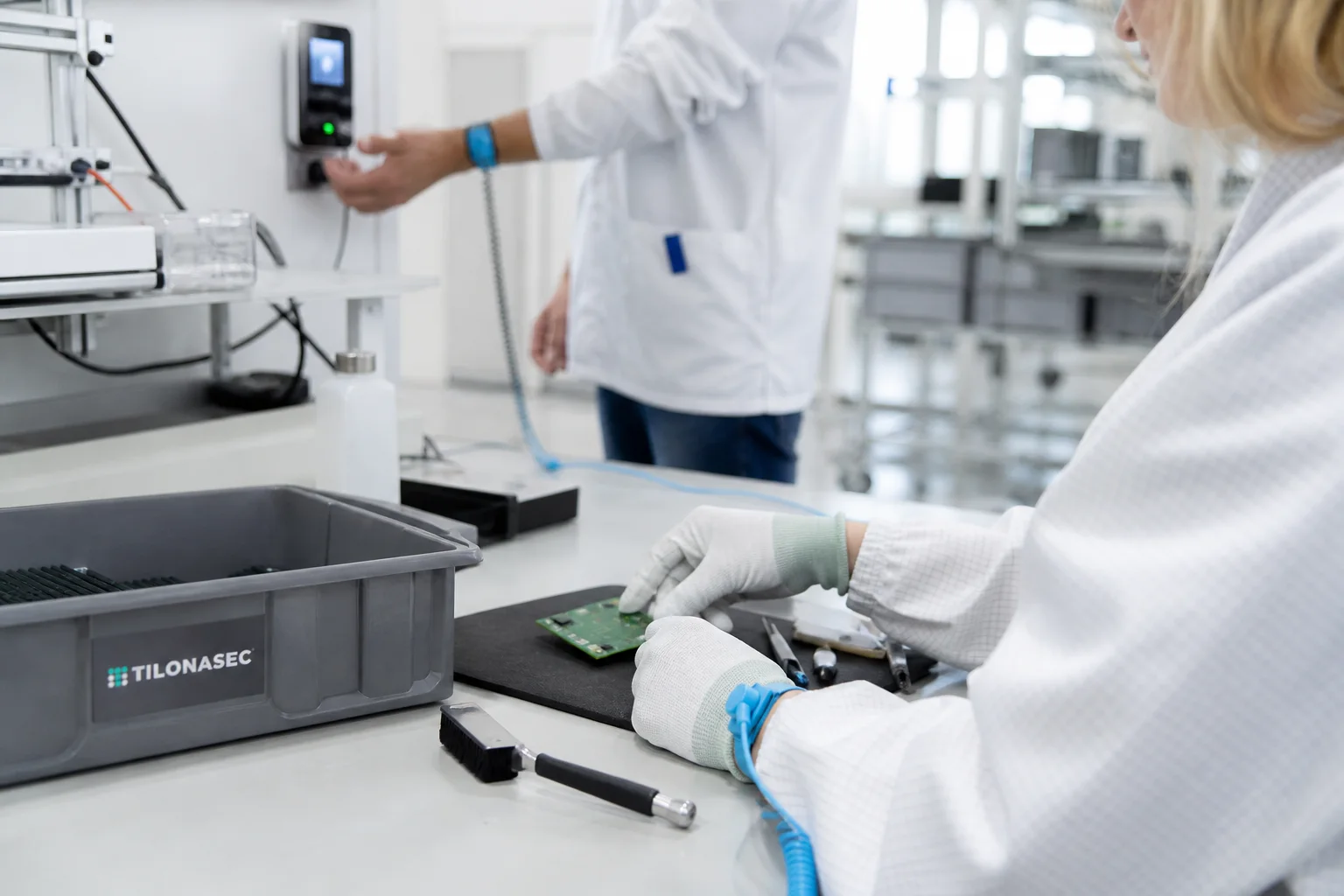
Electronics manufacturing
In electronics manufacturing, worker protection and product ESD protection are separate requirements that must be aligned.
- 4 roles
- 4 roles
- 4 categories
- 4 categories
- 3 related articles
- 3 related articles
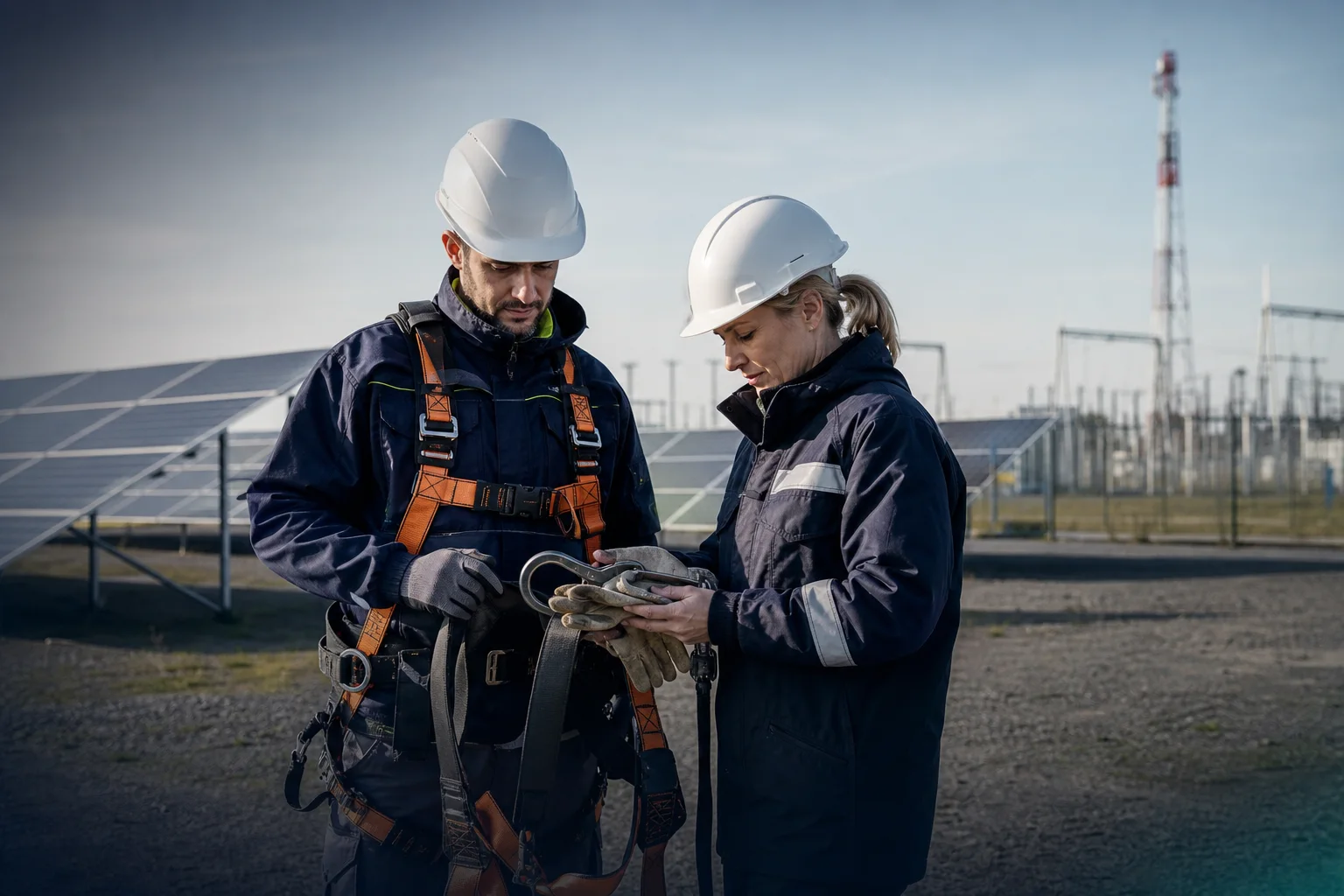
Energy sector
Energy-sector equipment is determined jointly by the work method, electrical risk, weather and rescue capability.
- 4 roles
- 4 roles
- 4 categories
- 4 categories
- 3 related articles
- 3 related articles
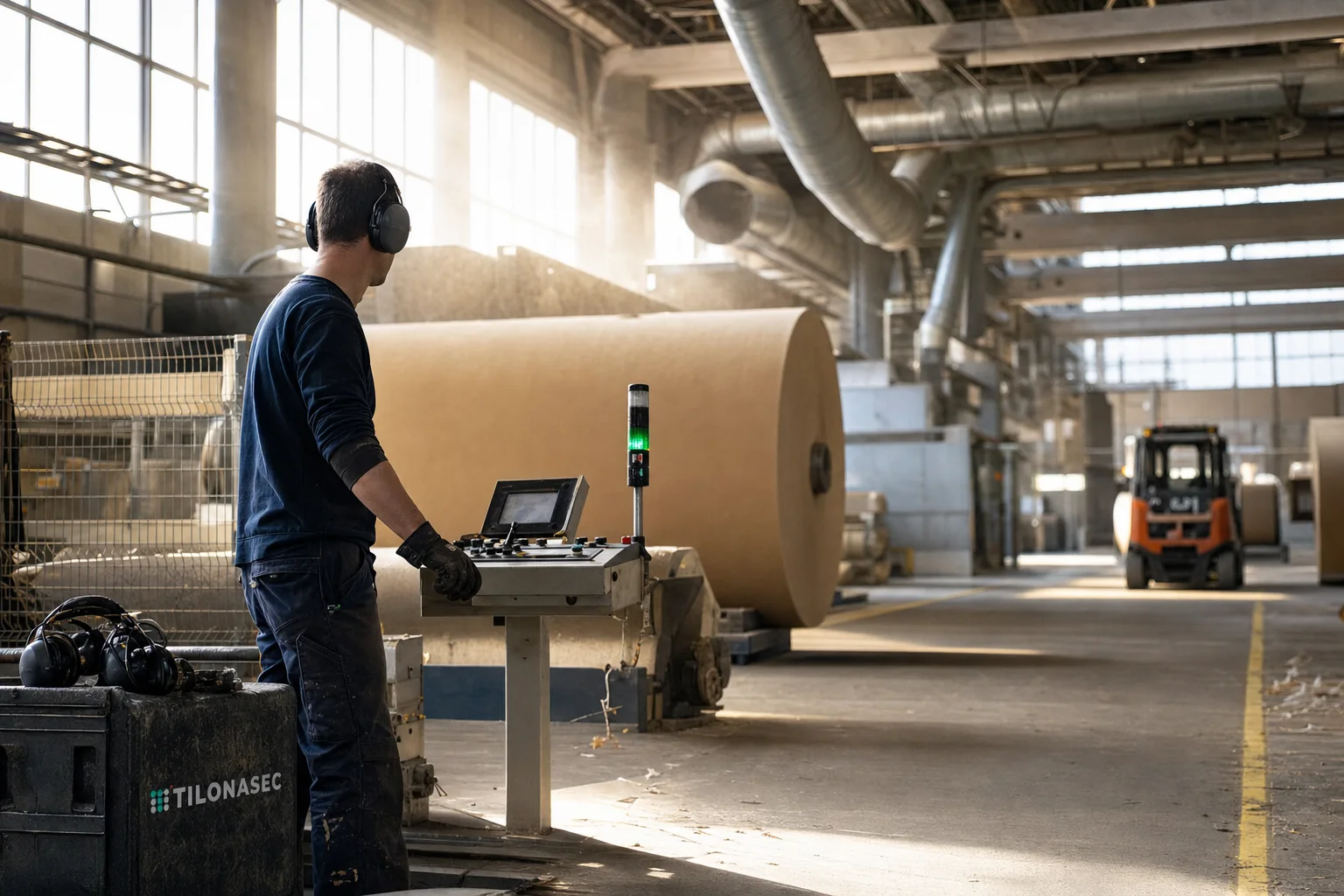
Wood and paper industries
Alongside machine safety, dust, noise, splinters, cuts and material handling drive daily protection needs in wood and paper production.
- 4 roles
- 4 roles
- 4 categories
- 4 categories
- 3 related articles
- 3 related articles
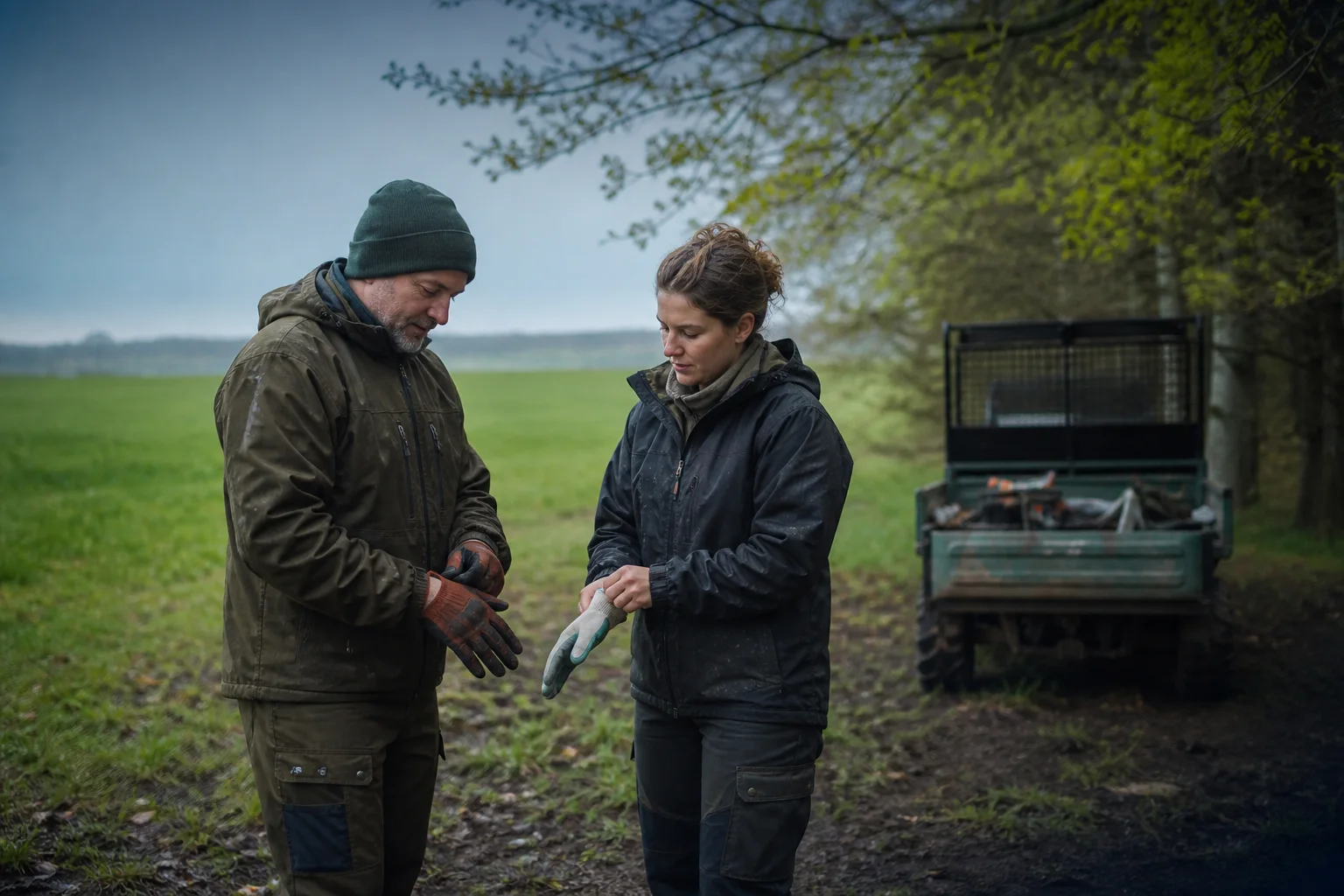
Agriculture, forestry and fisheries
Field equipment must respond to the weather, machinery, terrain and seasonal changes in tasks.
- 4 roles
- 4 roles
- 4 categories
- 4 categories
- 3 related articles
- 3 related articles
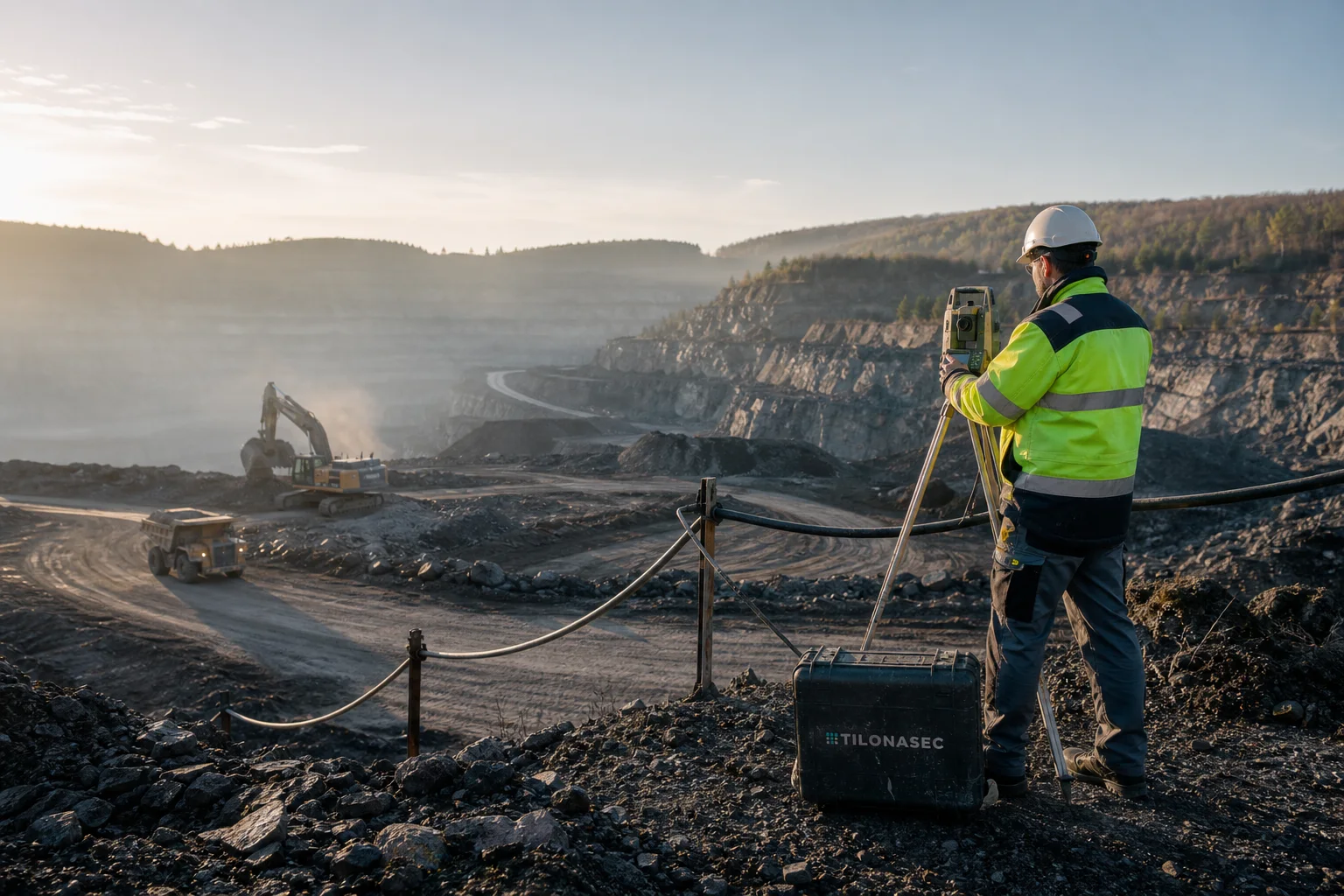
Mining and earthworks
For heavy field work, dust, noise, plant traffic, weather and ground conditions jointly determine the equipment.
- 4 roles
- 4 roles
- 4 categories
- 4 categories
- 3 related articles
- 3 related articles
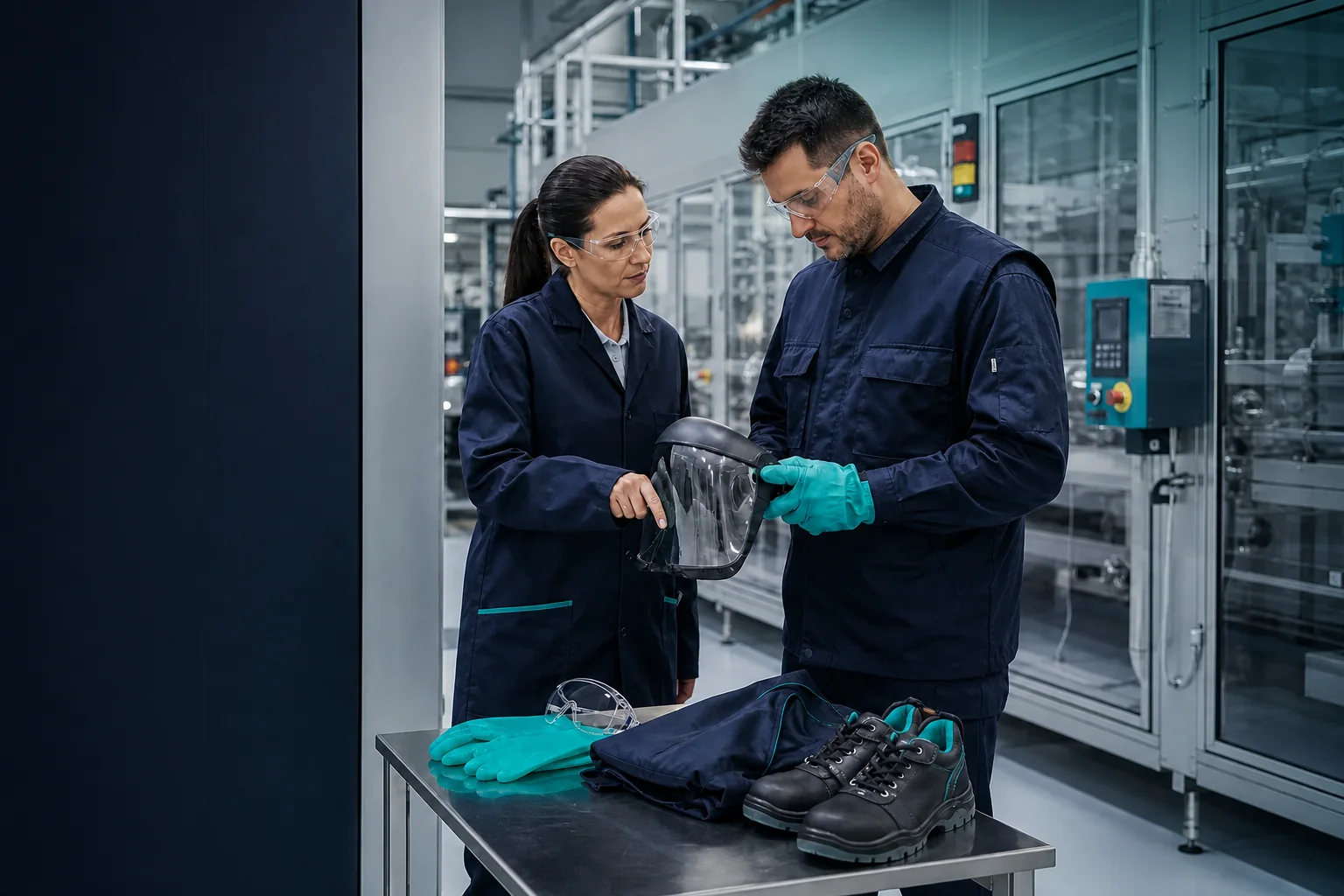
Chemical and pharmaceutical industries
For chemical risks, select by substance, concentration, route and duration of contact-not by product name.
- 4 roles
- 4 roles
- 4 categories
- 4 categories
- 3 related articles
- 3 related articles
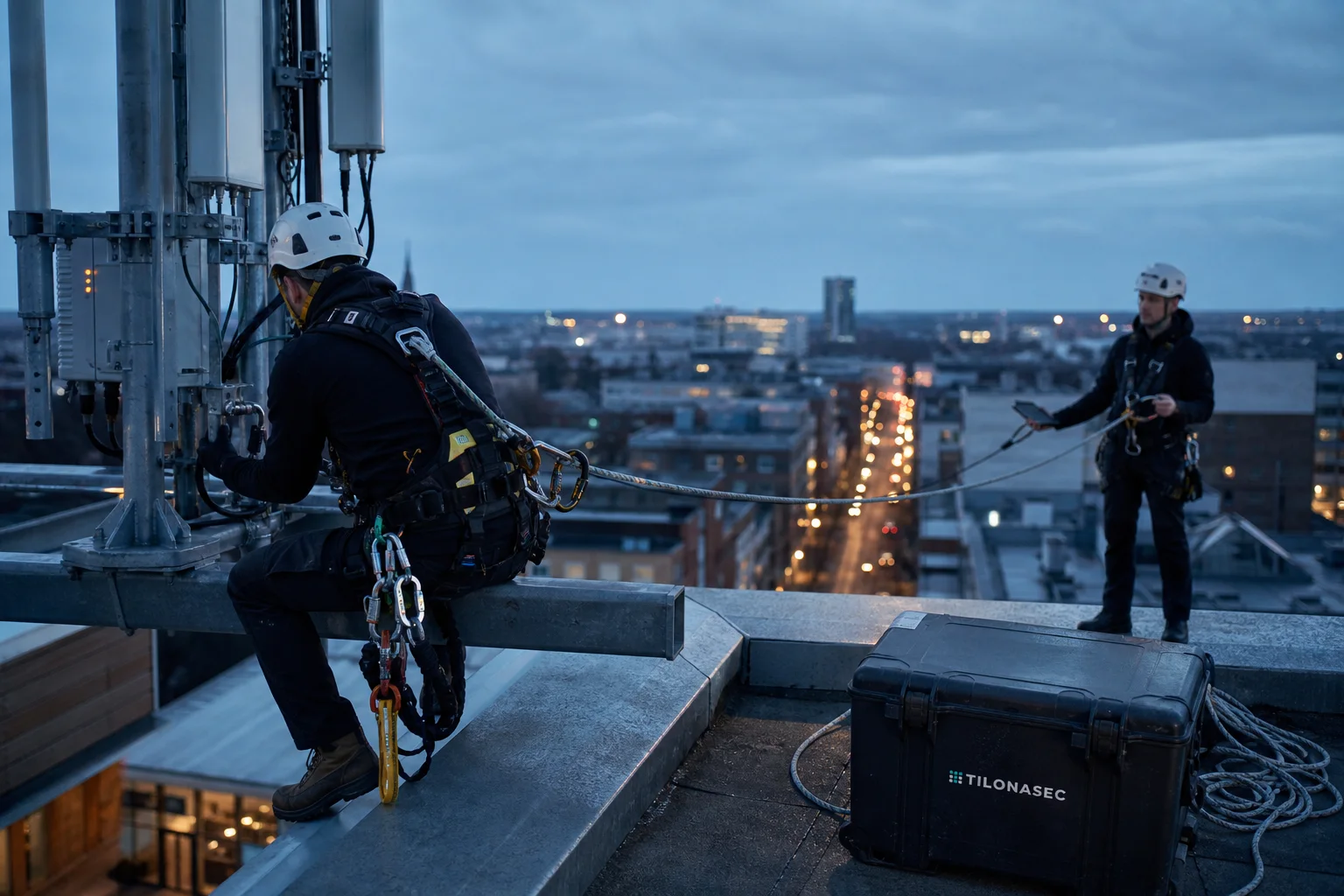
Media and telecommunications
Telecommunications and event-technology work spans risks from roadside activity to tasks on roofs or towers.
- 4 roles
- 4 roles
- 4 categories
- 4 categories
- 3 related articles
- 3 related articles
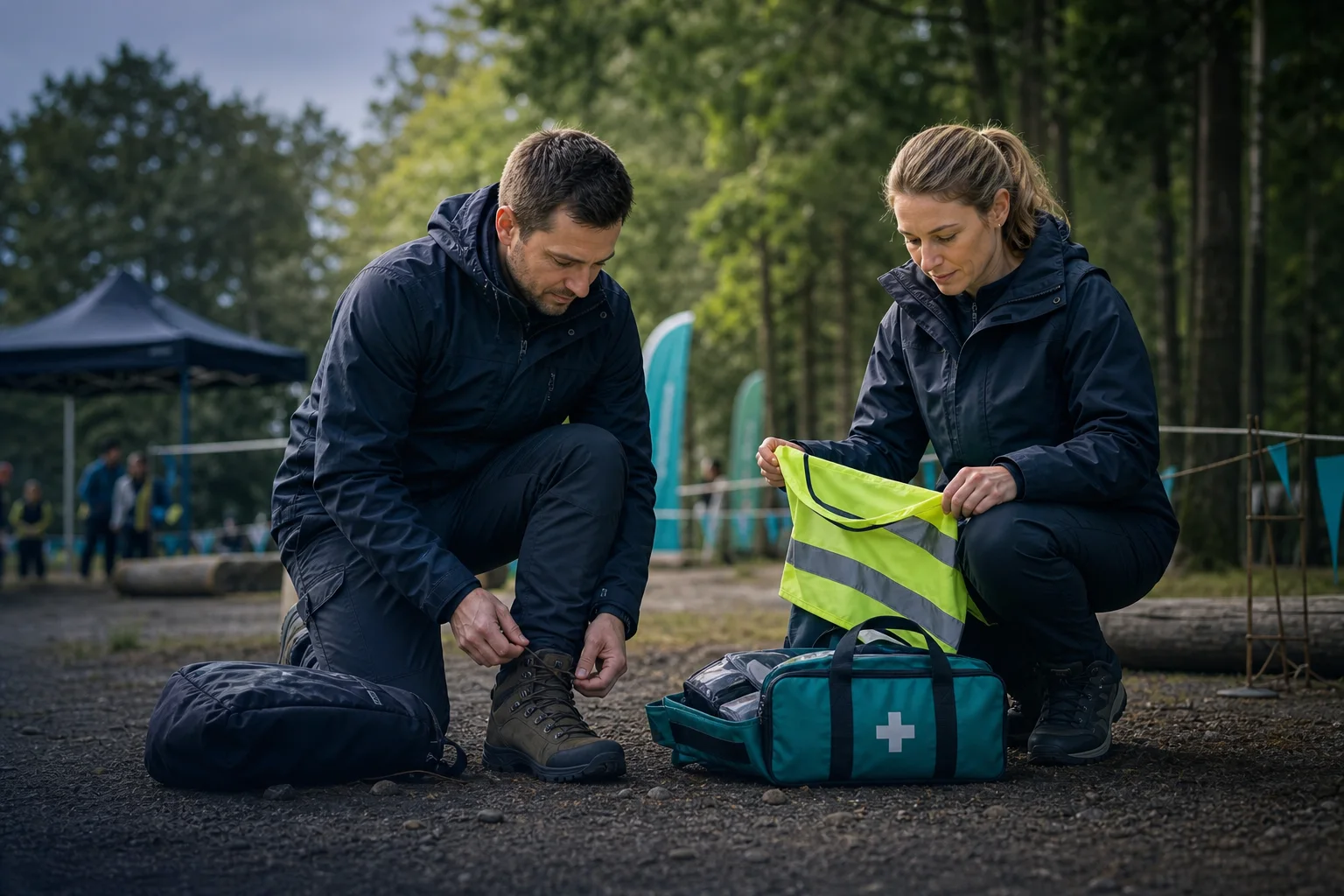
Hiking, leisure and events
Clothing for a corporate hike or outdoor event works best when it remains wearable afterwards and can be layered for the weather.
- 4 roles
- 4 roles
- 4 categories
- 4 categories
- 2 related articles
- 2 related articles