
Hiking, leisure and events occupational safety guide
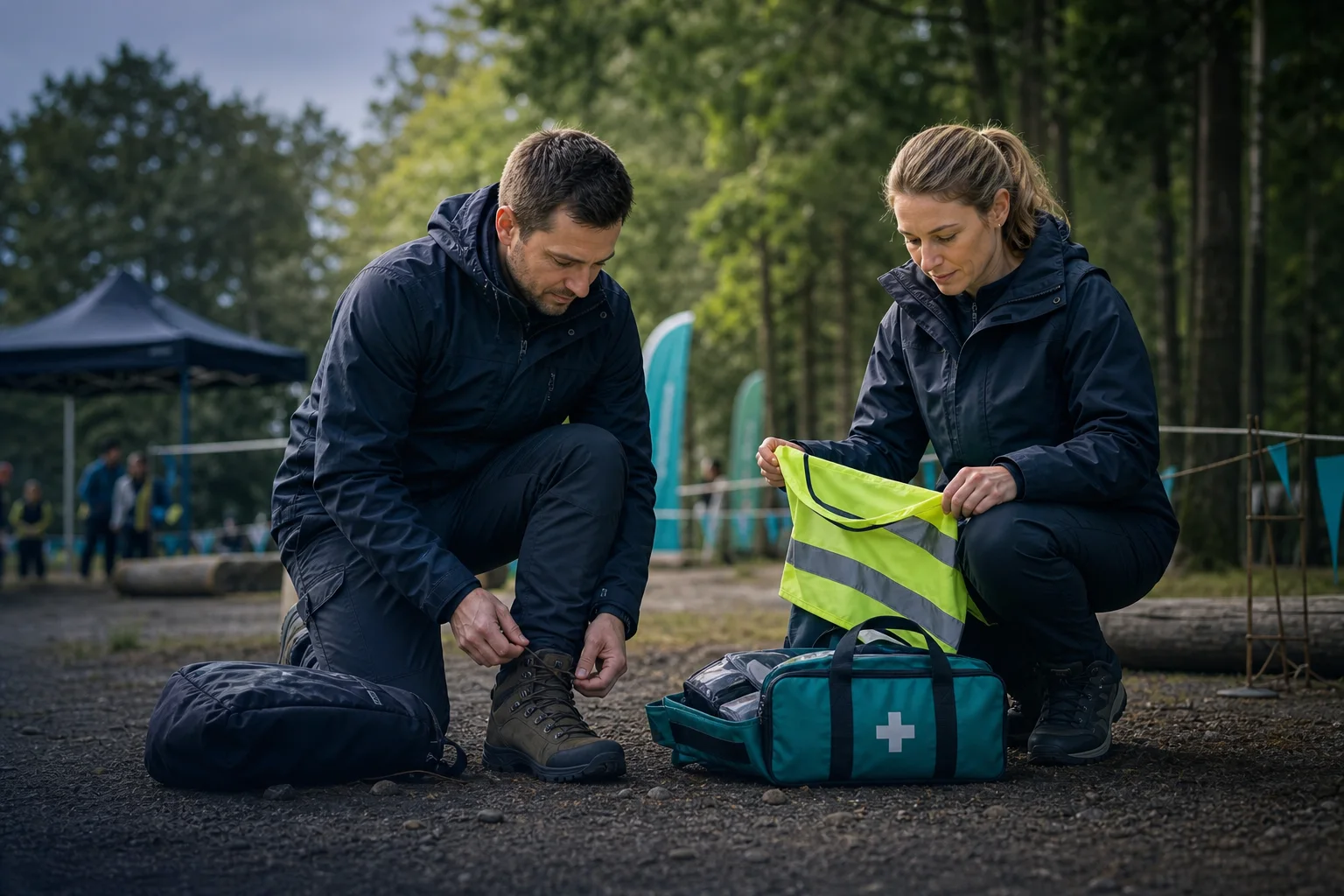
Clothing for a corporate hike or outdoor event works best when it remains wearable afterwards and can be layered for the weather.
In short
Clothing for a company hike or outdoor event is good when it stays wearable after the programme and can be layered for the weather. This is not protective equipment but corporate clothing: the size run, colour fastness, condition after washing and the quality of the branding decide whether it is worn for years or ends up at the back of a wardrobe.
Where a good specification begins
What should be clarified first?
This product group is not automatically PPE. The objective is to choose a consistent appearance, suitable fabric and size run, weather-adaptable layers and durable decoration. Where the event involves work or genuine hazards, a separate risk assessment is required.
Typical risk areas
- Changing weather
- Size runs and reordering
- Colourfastness and laundering
- Visibility for organising roles
Show us the work for a more precise quotation
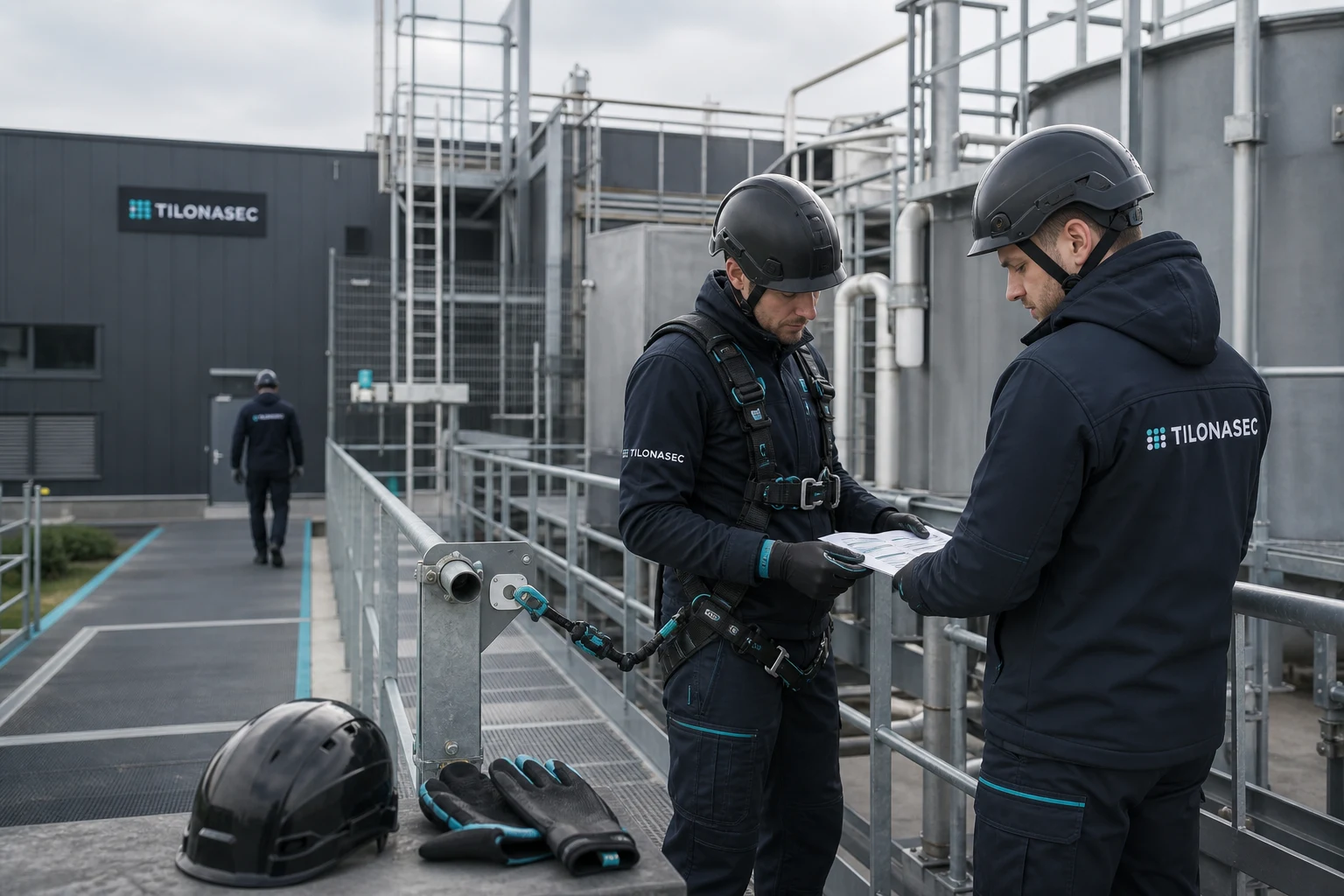
A site photo or short video often explains more than a generic product list. It reveals the floor, working height, machinery and equipment worn together.
- Where does the work happen?
- Indoors, outdoors, in a wet zone, around vehicle traffic or at height.
- How long is it worn?
- For a full shift, a short intervention or only one defined work phase.
- What is worn with it?
- Helmet, eyewear, earmuffs, respirator and harness must remain comfortable and compatible together.
Which starting kit suits each role?
These are procurement starting points, not automatic PPE requirements.
| Role | Procurement starting point |
|---|---|
| Participant pack | T-shirt or technical top, layerable sweatshirt and a practical accessory. |
| Organising team | A clearly recognisable colour, larger logo or role marking and a weather-resistant outer layer. |
| Outdoor staff | Layerable clothing, rain and wind protection and task-appropriate visibility. |
| Gift and promotional pack | Textiles suitable for long-term use with discreet, durable decoration. |
Expert product selection
Recommended products for your first shortlist
Start with relevant, easy-to-compare products selected for this working environment. Prices, availability and technical data are kept up to date.
Building blocks for the complete solution
Which markings are useful starting filters?
A standard marking can narrow the live product range quickly, but it does not by itself prove that a product is suitable for a particular role.
- EN 343
- Performance of protective clothing against rain for water penetration and water-vapour resistance. Consider the layering system, work intensity and wearing time together.
- Filter products by this marking
- EN ISO 20471
- Requirements for high-visibility clothing in high-risk situations. Select the class from traffic, speed, light conditions and the complete clothing ensemble.
- Filter products by this marking
Always compare the results with the documented risk assessment, the required performance level and the product’s current EU declaration of conformity.
Plan in three layers
- 1. Core role kit
- Clothing, footwear and basic PPE used on every shift, with size runs and defined replacement triggers.
- 2. Task module
- Additional protection and checks issued for less frequent but higher-risk operations.
- 3. Reordering plan
- Minimum stock, size distribution, seasonality, inspections and documented approval points.
The detailed knowledge behind the decision
Workwear
Buying branded workwear: embroidery, DTF or screen printing?
A step-by-step guide to branded workwear: choosing a decoration method, positioning, artwork approval, lead times and the special rules for certified protective clothing.
Read more →Seasonal planning
Winter PPE procurement: what to order before the season
A buyer’s guide to cold protection under EN 342 and EN 511, high visibility, slip prevention and an early-autumn checklist for complete size availability.
Read more →Procurement checklist
Before requesting a quote
Better input produces more comparable quotations, a more accurate size run and fewer later changes.
- 01 Assess a sample and the actual size run
- 02 Check colour and model reorderability
- 03 Match the decoration method to the fabric
- 04 Provide a spare weather layer and organiser identification
Frequently asked questions
The questions that come up most often during procurement - the ones the rest of this article does not cover.
How do we establish sizes before an event?
With a size sample set. A trial pack of the main sizes is worth more than any table, because cut varies from brand to brand. Record the feedback in writing, because the same list becomes the starting point for replenishment.
Which branding method should we choose?
Quantity and material decide: for small runs embroidery and transfer are cheaper, for large volumes screen printing. On thin synthetic fabric embroidery can pucker the material - so ask for a sample image before production.
How far in advance do we need to order?
For branded clothing, artwork approval and production together typically take two to three weeks, and longer in season. Size top-ups can be slower still, so plan backwards from the event date with a buffer.
Professional and legal framework
This page supports decision-making. Specific obligations must always be established from current legislation, the local risk assessment and the documentation for the selected product.
-
Hungarian Act XCIII of 1993 on Occupational Safety
The Hungarian legal framework for risk assessment, prevention and employer responsibility.
-
Regulation (EU) 2016/425 on personal protective equipment
Essential requirements and conformity assessment for PPE placed on the EU market.
-
Hungarian Decree 65/1999 (XII. 22.) EüM on the use of PPE at work
Direct Hungarian requirements for workplace selection, compatibility, use, training and inspection.
-
EU-OSHA OiRA risk-assessment tools
A step-by-step risk-assessment framework, particularly useful for micro and small enterprises.
Important professional note
The product groups and combinations shown are starting points. They do not replace the employer’s documented risk assessment, PPE issue rules, the manufacturer’s instructions or the decision of a competent occupational safety professional. Always verify markings, compatibility and protective performance in the current documentation for the selected product.
Request a quotation assembled by role
Tell us the headcount, roles, current problem and required deadline. We will help plan trial items, size runs, decoration and replenishment.