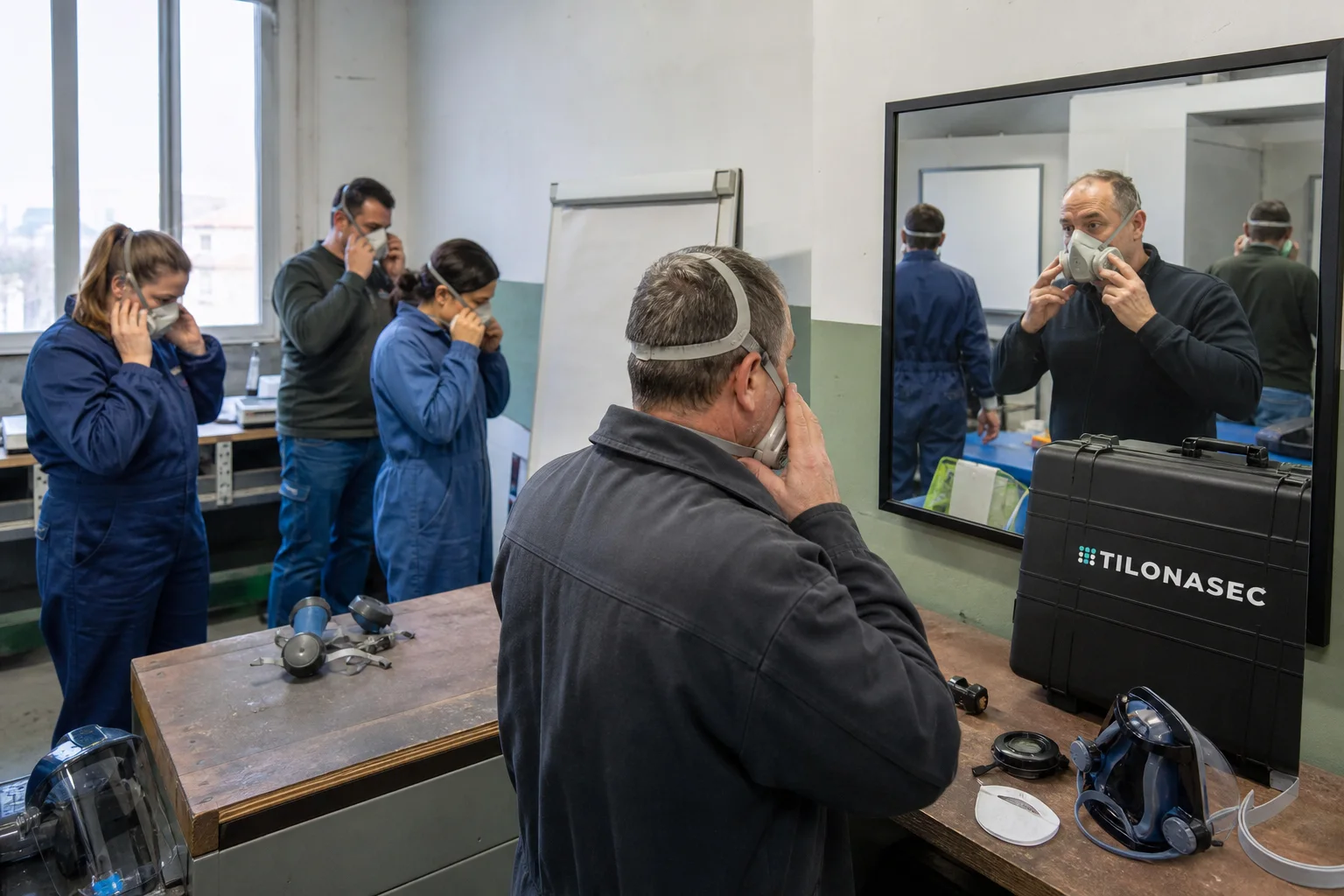
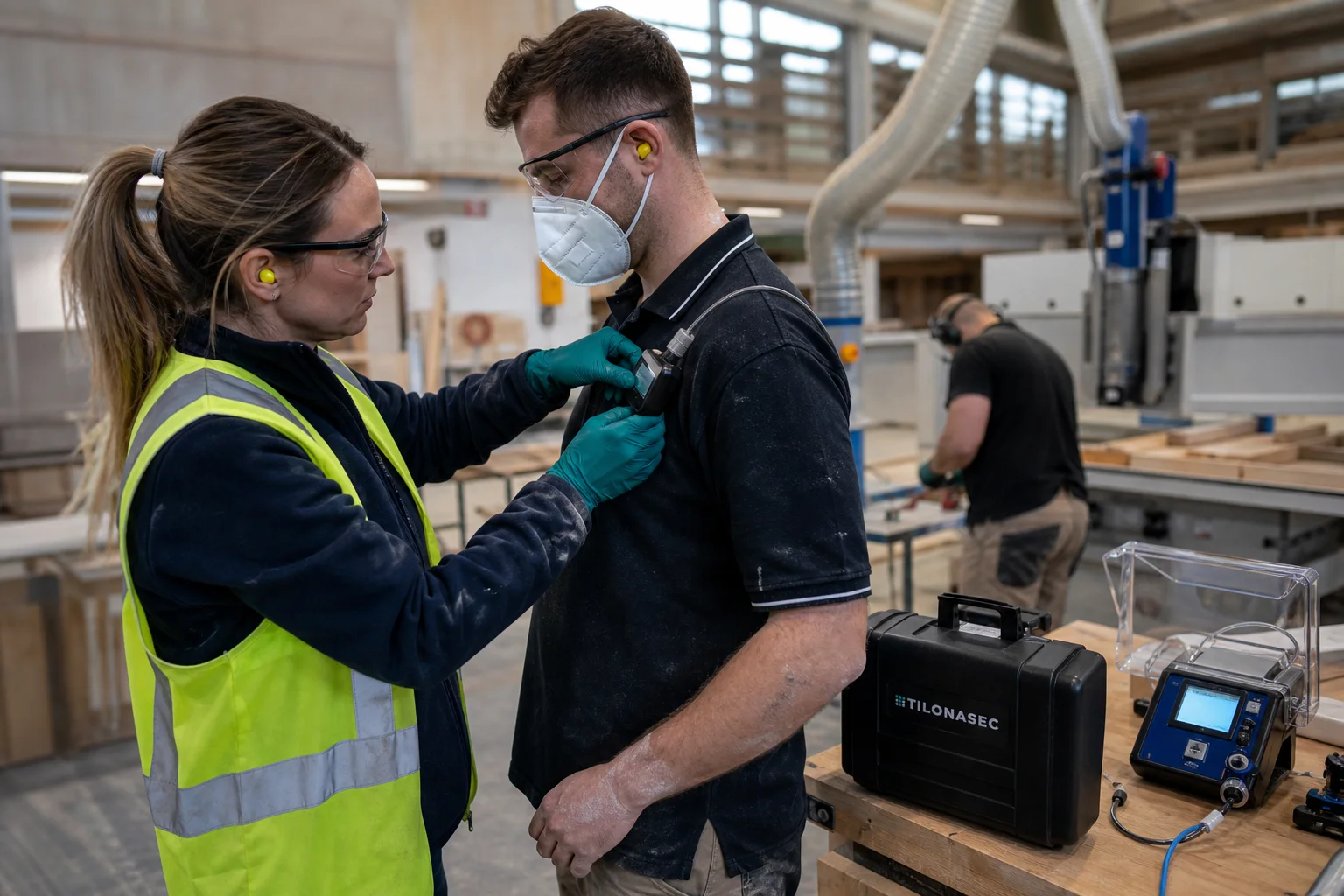
Choosing respiratory protection: FFP mask or reusable respirator?
How to select respiratory protection for particles, gases and vapours: FFP1–FFP3, A, B, E, K and P filters, combined cartridges, powered systems and face-seal checks.
Professional knowledge hub
Practical, standards-led guidance for buyers, employers and workplace safety professionals — from product selection to implementation and documented inspection.
How to select respiratory protection for particles, gases and vapours: FFP1–FFP3, A, B, E, K and P filters, combined cartridges, powered systems and face-seal checks.
A practical guide to the equipment, trained personnel and arrangements required for workplace first aid, including placement, replenishment and inspection.
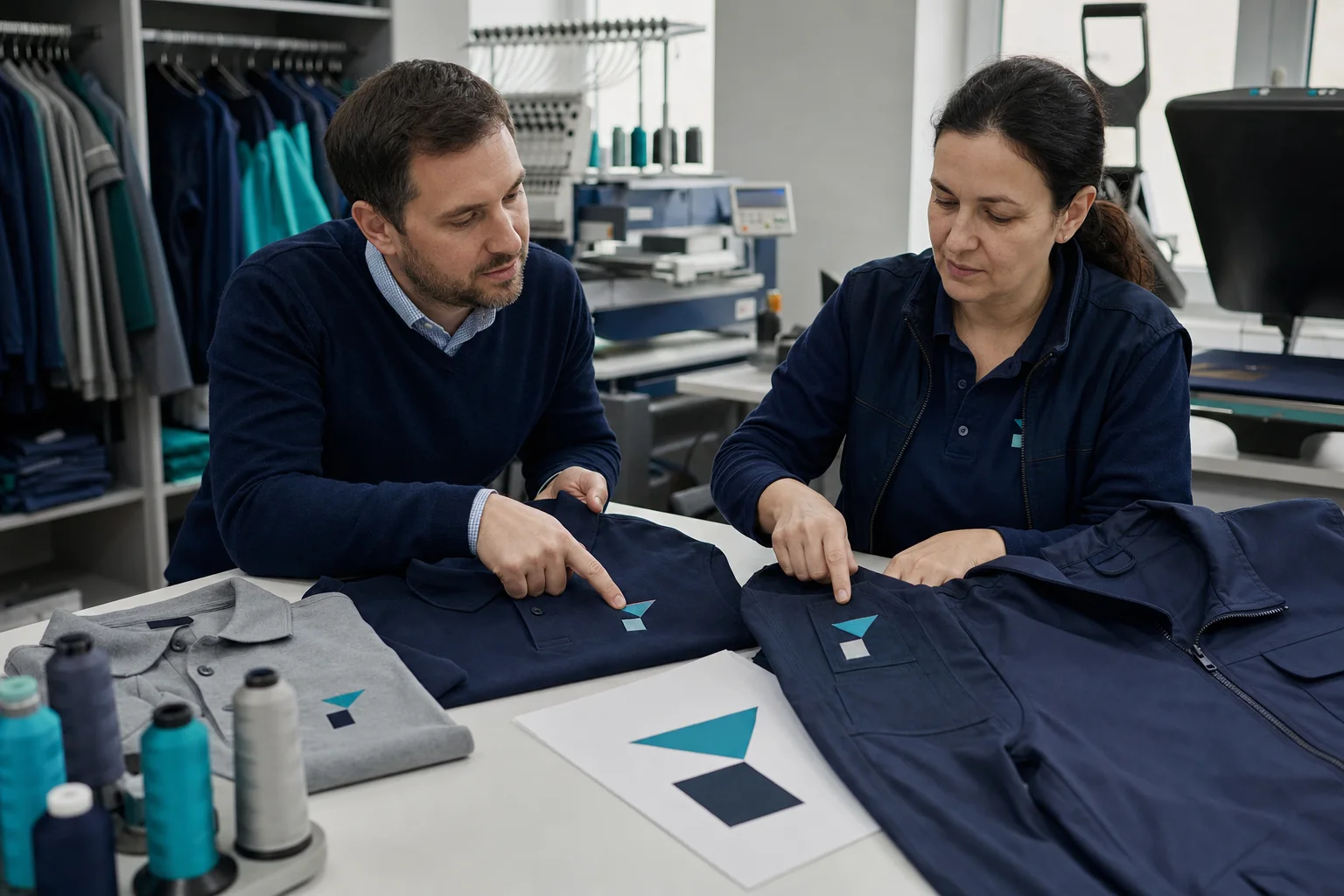
A step-by-step guide to branded workwear: choosing a decoration method, positioning, artwork approval, lead times and the special rules for certified protective clothing.
Why PPE should be compared by total cost rather than unit price, with standards-led specifications, wearer acceptance and a ten-point buyer checklist.
Powder, foam or CO₂, inspection cycles, hose pressure testing and specialist solutions for battery fires — maintenance and fire-safety products in one place.
EU declarations of conformity, Hungarian user information, issue records, training evidence and inspection reports organised for audits and inspections.
Write a PPE specification that produces comparable bids: five layers of requirements, a role-based template and practical evaluation criteria.
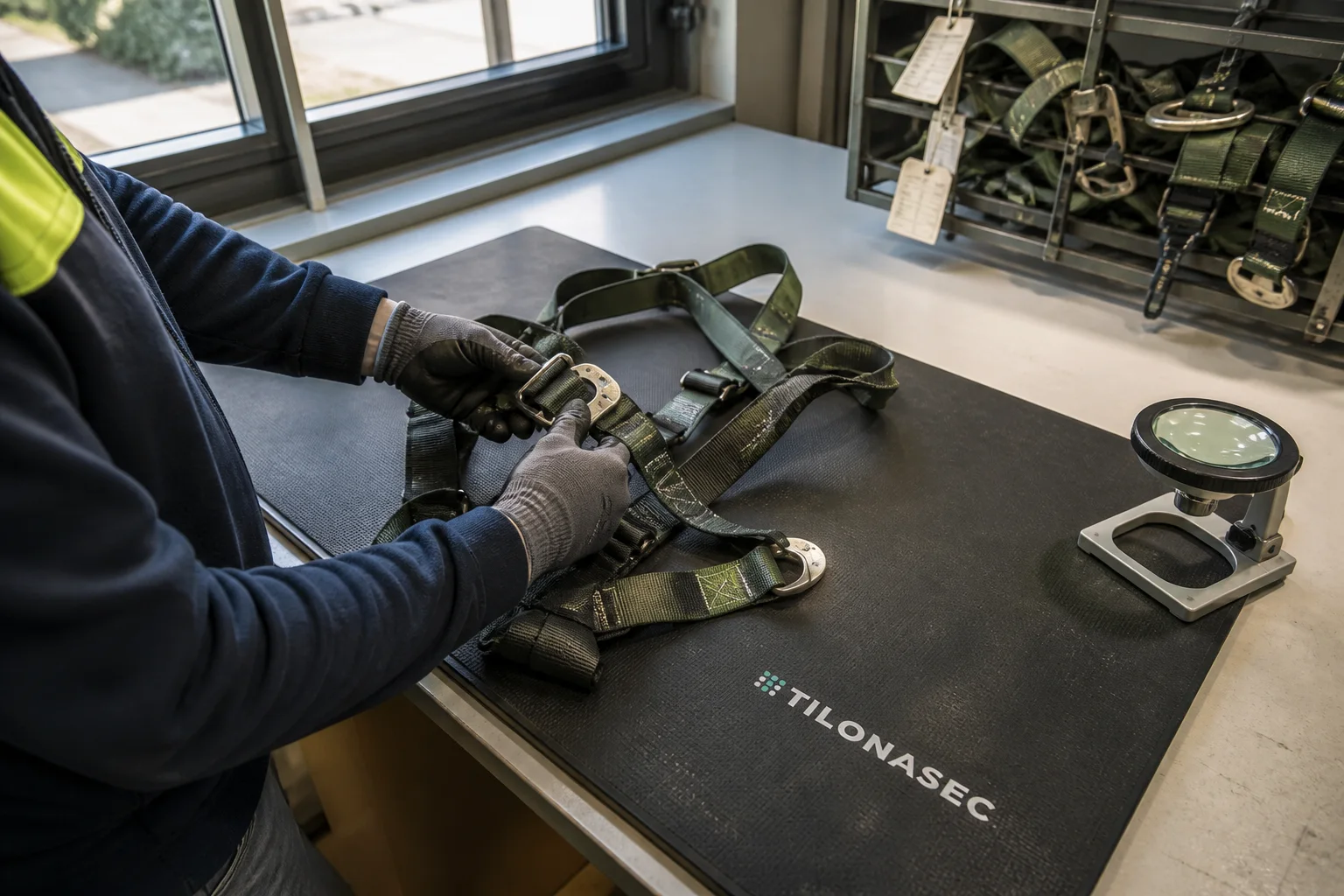
How harnesses, lanyards and fall arresters are inspected under EN 365, when equipment must be withdrawn, and how to organise a mixed-fleet inspection efficiently.
Plan annual PPE demand using workforce numbers, issue allowances, size distribution, replacement cycles and a seasonal call-off schedule.
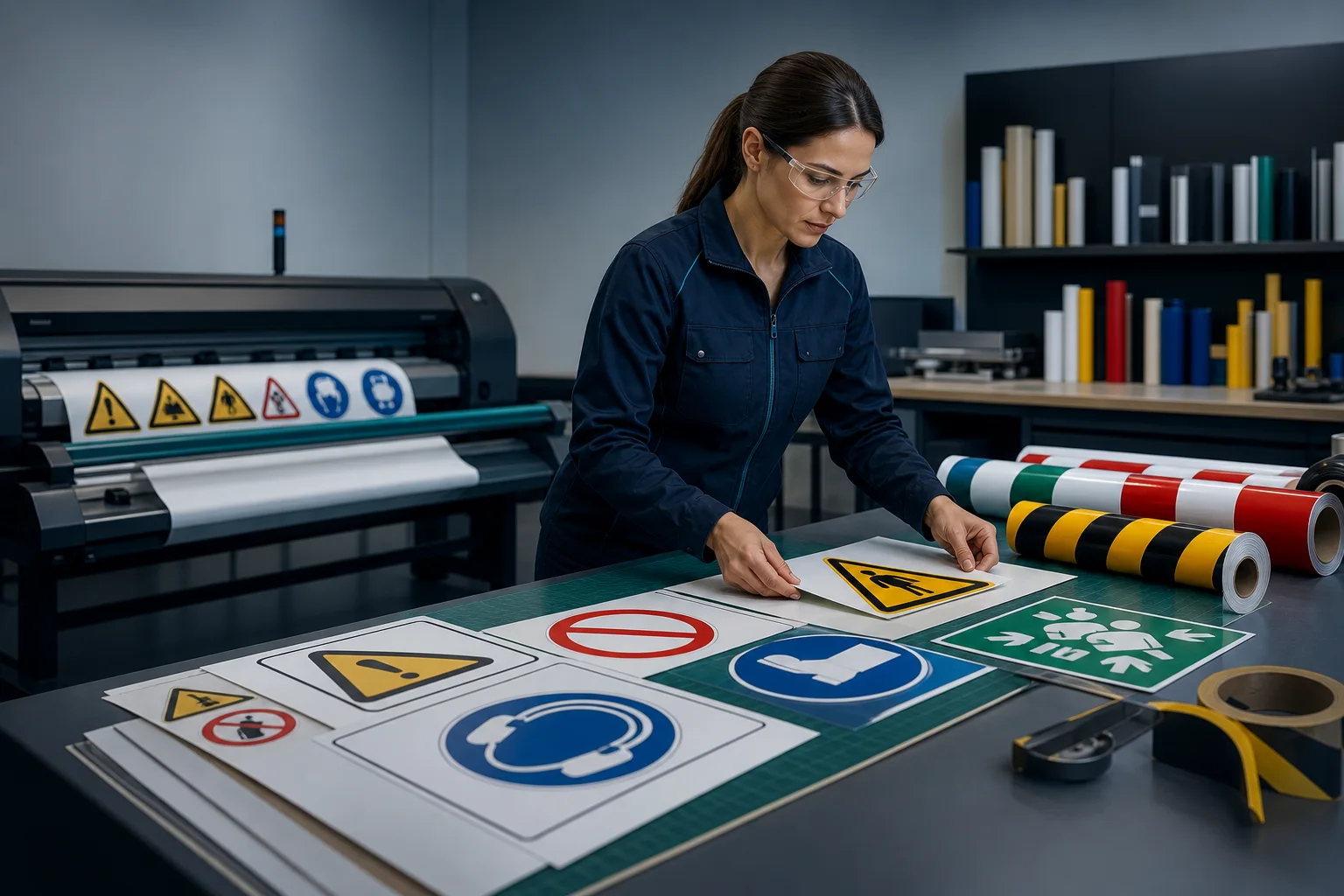
Prohibition, warning, mandatory, fire-safety and escape signs explained by colour and purpose, with photoluminescent options and made-to-order production.
Why safety shoes pinch, how length and width differ, and when ARTRA models with a 12 or 12.5 cm anatomical toe cap may provide a better fit.
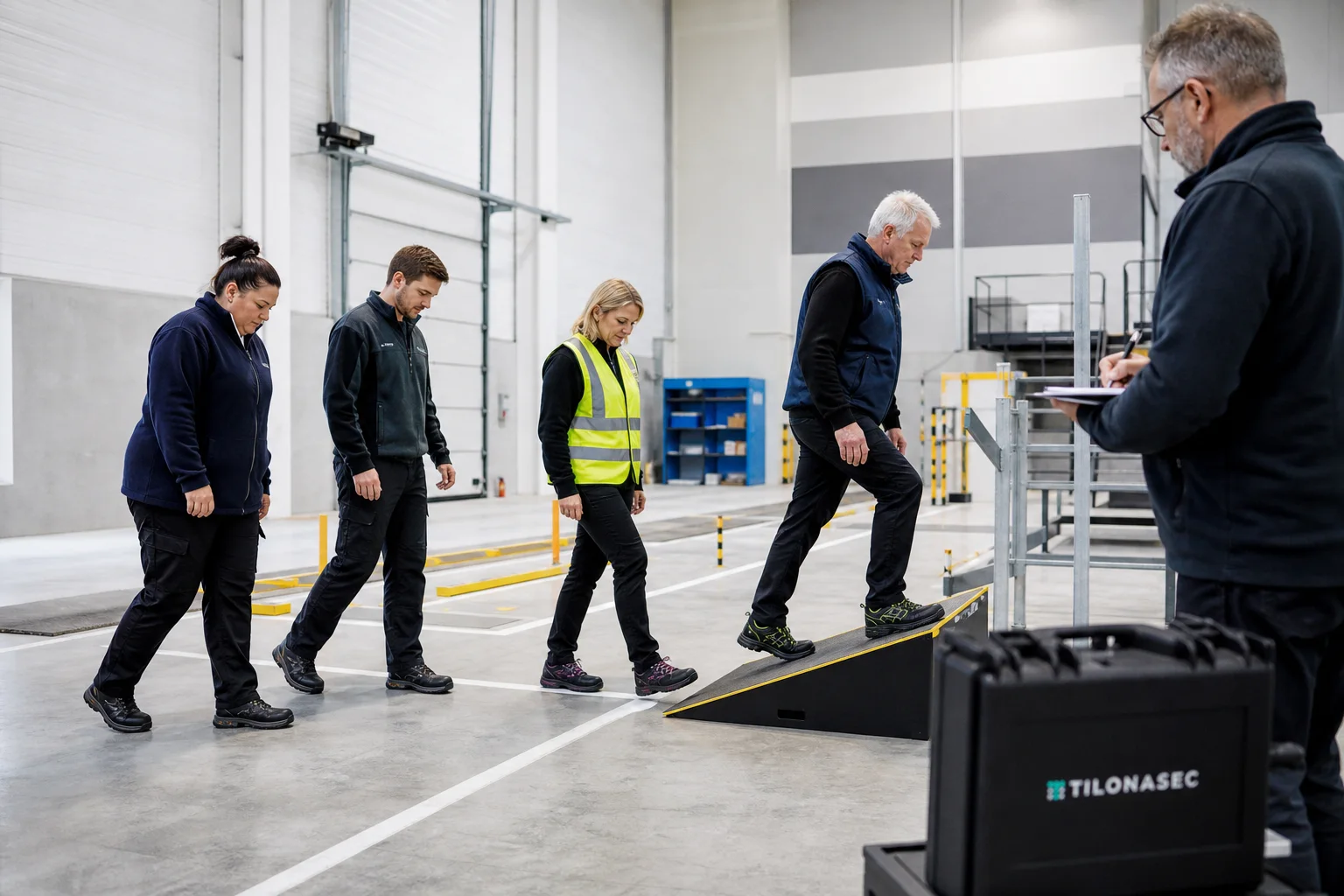
A five-step wear trial, from sample selection and a representative test group to feedback, documented decisions and successful implementation.
A buyer’s guide to cold protection under EN 342 and EN 511, high visibility, slip prevention and an early-autumn checklist for complete size availability.
When workplace safety training is required in Hungary, what practical PPE instruction should cover, and how employers should document it.
Protective glove standards and markings explained: mechanical and chemical risks, cut resistance, materials, coatings, grip and sizing.
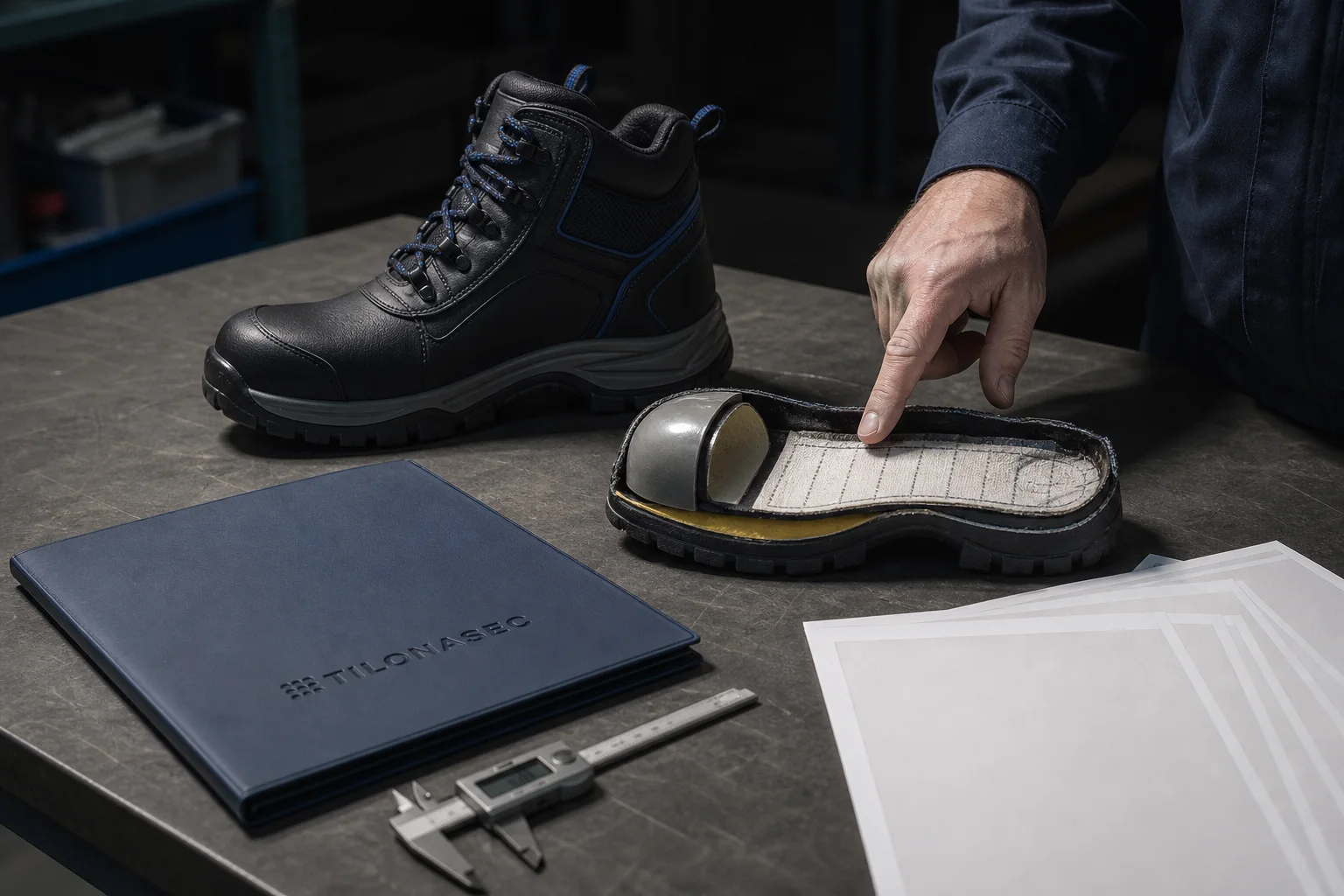
Choose safety footwear by workplace risk, protection class, toe cap, midsole, outsole, slip performance and long-shift comfort.
The essential properties and standards of industrial safety helmets, including fit, compatible accessories, service life and replacement.
The practical meaning of the revised EN ISO 20345 test methods, markings and protection classes for employers and footwear buyers.
Need help choosing suitable PPE? Tell us about the work and the risks, and we will prepare a considered recommendation.