
Winter PPE procurement: what to order before the season
A buyer’s guide to cold protection under EN 342 and EN 511, high visibility, slip prevention and an early-autumn checklist for complete size availability.
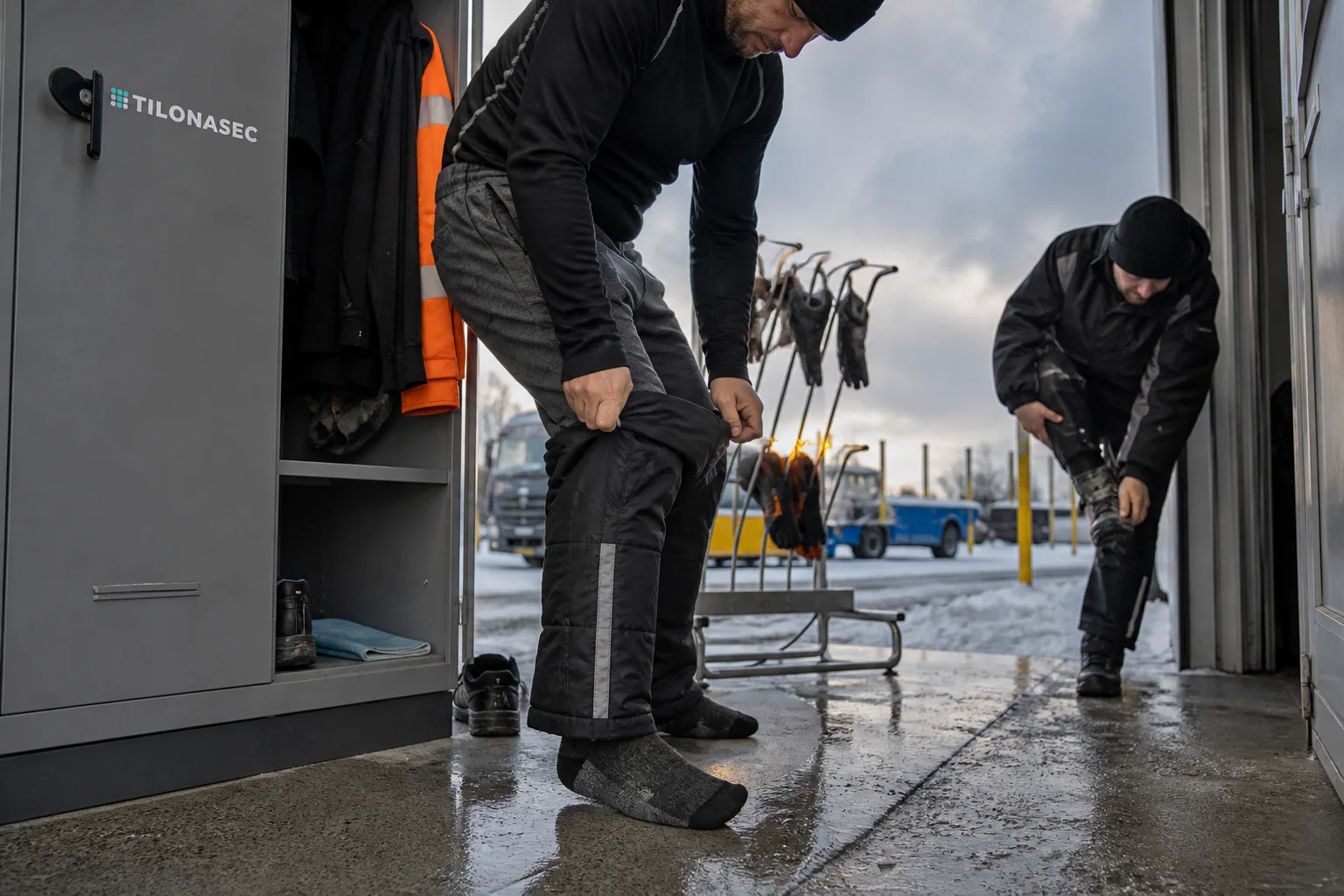
The first rule of winter PPE procurement is that it does not begin in winter: by the first frost, popular sizes in insulated gloves and footwear may already be scarce. Buyers who order in September can choose; those who order in November may have to accept what remains and pay for urgent delivery. This guide covers cold-weather PPE and provides an early-autumn checklist for a controlled seasonal programme.
The essentials in thirty seconds
- Order in early autumn: winter products are seasonal and complete size ranges become harder to source later.
- Cold protection has standards and measured performance: EN 342 for clothing and EN 511 for gloves, alongside suitable insulated footwear.
- Shorter daylight increases the importance of high visibility under EN ISO 20471 for relevant outdoor roles.
- Slips are a major winter risk. Footwear, traction aids where suitable, and maintained walkways must work together.
- Only use helmet-compatible winter liners; an ordinary thick knitted hat can interfere with the harness and fit.
🥶 Cold protection: use the standard as a starting point
- Clothing (EN 342): the standard for protective clothing against cold. For sustained cold outdoor work, choose assessed performance rather than appearance alone. Layering must also reflect activity: a mobile worker and a stationary guard have different needs.
- Gloves (EN 511): consider convective cold, contact cold and water penetration alongside grip and the mechanical protection required for the task. Gloves that have to be removed to work are not an effective solution. See our protective-glove guide.
- Footwear: select insulation and water performance with the protection class required by the workplace. Our footwear guide explains the markings. Cold concrete and wet slush create different demands, and often occur together.
- Head and ears: use the helmet manufacturer’s compatible winter liner. Check that hearing protection, headwear and helmet can be worn together without compromising fit.
🦺 Visibility matters even more in winter
From November, much outdoor work takes place in twilight or darkness. Where the risk assessment requires EN ISO 20471 high-visibility clothing, the visibility function must remain on the outermost layer; a certified vest hidden beneath an opaque winter coat does not provide the intended result. Logos must not cover retroreflective bands or reduce required visible areas. See our branded-workwear guide.
🧊 Slips: a leading winter hazard
- Outsole selection: specify suitable slip performance and tread for the surface. Worn footwear is particularly hazardous in winter, so replacement planning matters.
- Slip-on traction aids: useful for defined tasks on unavoidable icy surfaces where the design is compatible with the work and footwear.
- Surface treatment and marking: PPE is not the first control. Clear, treated walkways and suitable footwear work together.
📅 Early-autumn checklist for buyers
- Review last winter’s consumption and feedback: what ran out, what remained and what caused complaints?
- Update headcount and size distribution, including new starters and planned recruitment.
- Inspect retained stock for condition, including linings, closures and waterproof performance.
- Order seasonal lines: insulated gloves, winter footwear, jackets and compatible helmet liners, with the required size range.
- Plan the outer high-visibility layer for relevant outdoor roles.
- Review slip prevention: outsole condition, traction aids and materials for treating routes.
- Where a new product is proposed, allow time for a wear trial before the cold season.
Send us headcount, roles and last season’s experience through a quote request. We can propose a winter package by size and schedule supply for the season. With an annual call-off plan, winter becomes a planned release rather than an emergency order.
❓ Frequently asked questions
When must employees receive winter protective clothing?
The need comes from conditions and the risk assessment, not a calendar date. For Hungarian workplaces, the employer’s PPE issue rules should identify which roles receive which protection and under what conditions. Sustained work outdoors or in a chilled space normally requires a considered cold-protection arrangement.
Can an employee wear their own knitted hat under a safety helmet?
A thick, unapproved hat can change how the suspension fits and undermine helmet performance. Use a winter liner approved as compatible by the helmet manufacturer and check the complete combination.
Does a winter glove provide the same mechanical protection?
Not automatically. The EN 388 performance of an insulated model may differ from a summer glove. Check mechanical performance as well as EN 511 cold results against the task.
How late can winter PPE be ordered?
As long as stock exists, but availability increasingly becomes a size-range problem. Frequent sizes tend to disappear first. September normally provides more choice than mid-November; an agreed call-off supply arrangement reduces this exposure.
Final thought
Winter PPE is as much a timing decision as a product decision. Buyers who order early against standards and a complete size profile can issue equipment when needed; those who wait for the first frost are buying under pressure.
Use the checklist and request a quotation before the season, or browse the catalogue for cold protection, visibility and footwear.
Professional references: EN 342, EN 511, EN ISO 20471 and the workplace risk assessment. This guide is general information; the employer’s issue rules and the law applicable to the specific workplace determine provision.