
Safety helmet selection guide
The essential properties and standards of industrial safety helmets, including fit, compatible accessories, service life and replacement.
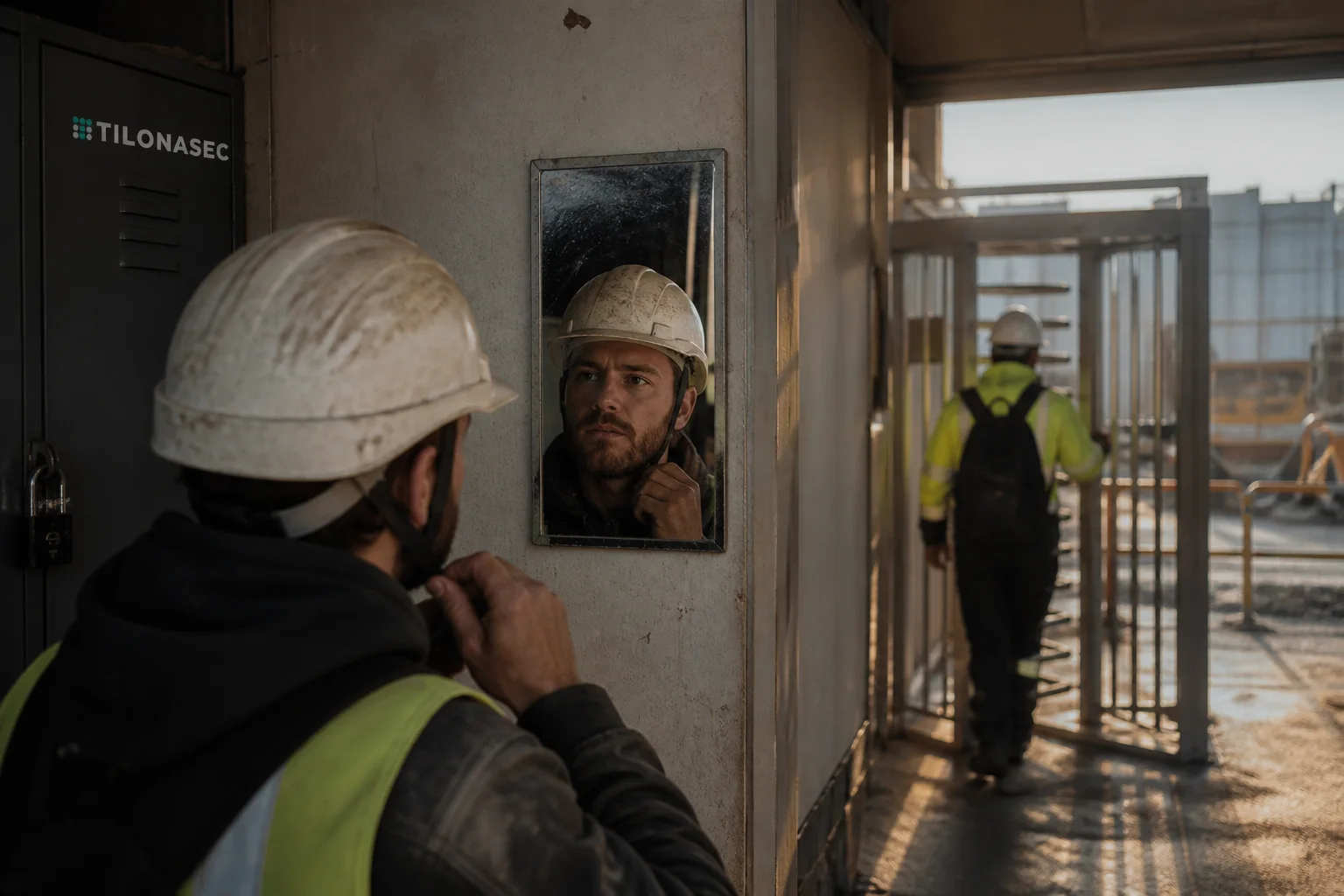
Safety helmet purchasing guide: essential properties and practical selection criteria
A safety helmet is one of the most recognisable forms of PPE, but its value depends on selecting the right standard, options and fit for the hazard. Correctly selected, fitted and maintained head protection can materially reduce the risk of serious head injury. Selection should begin with the workplace risk assessment rather than colour or appearance.
The role of colour
Helmet colour can support visibility and site organisation. Bright colours may make workers easier to see, while a documented colour scheme can identify roles such as first aider, supervisor or visitor. Colour alone does not confer protective performance. Check the site's traffic-management and emergency arrangements before standardising a colour code.
Selection criteria
When selecting a safety helmet, consider the following points:
- Size and fit: the headband and retention system must hold the helmet securely without pressure points and allow the intended chinstrap, where required.
- Shell material: thermoplastic and fibre-reinforced shells have different ageing, heat and chemical-resistance characteristics. Use the manufacturer's declared limits rather than assuming one material is universally superior.
- Ventilation: vents can improve comfort during prolonged wear, but may be unsuitable where electrical or molten-metal hazards require specific optional performance.
- Certification: verify that the helmet meets the standard and optional requirements identified by the risk assessment.
- Compatibility: test the complete system with eyewear, face shield, hearing protection, headlamp and respiratory protection where these are worn together.
The following standards may be relevant to helmets and associated head-protection systems:
| EN 443 | Helmets for firefighting in buildings and other structures |
| EN 166 | Personal eye protection |
| EN 1731 | Mesh eye and face protection |
| EN 14052 | High-performance industrial helmets |
| EN 12491 | Respiratory protective devices incorporating a helmet or hood |
| EN12495 | Mountaineering helmet |
| EN 50365 | Electrically insulating helmets for use on low-voltage installations, up to 1,000 V AC |
| EN 812 | Industrial bump caps; these are not tested as protection against falling objects or penetration |
For general industrial safety helmets, EN 397 is normally the primary reference. The other standards above apply to particular products or compatible components. Always verify the exact scope and current edition on the declaration of conformity.
Functional helmet systems
Modern helmet systems can offer more than basic impact protection:
- Heat, electrical and molten-metal options: optional performance may be marked for defined conditions. The helmet must carry the relevant marking; appearance is not evidence.
- Hearing protection: helmet-mounted earmuffs can form a tested, compatible system for high-noise areas.
- Communication: integrated or helmet-mounted communication equipment may be useful where operational instructions must remain audible.
- Face and eye protection: use manufacturer-approved carriers and visors so that the components remain mechanically compatible.
Optional markings that may appear on industrial safety helmets include:
| -20°C | Performance against the relevant basic requirements at temperatures down to -20°C; this may be needed for winter construction work. |
| -30°C | Performance at temperatures down to -30°C, which may be relevant in cold stores or severe outdoor conditions. |
| +150°C | Performance at elevated temperature up to +150°C for appropriate hot-work environments. |
| 440 VAC | Protection against short-term accidental contact with live conductors up to 440 V AC under the conditions defined by the helmet standard. |
| 1000 V | Marking associated with electrically insulating helmets for low-voltage installations; confirm EN 50365 certification and the complete electrical safe system of work. |
| LD | Lateral deformation performance, relevant where side compression is an identified risk. |
| MM | Resistance to molten-metal splash under the relevant optional test. |
| F | A designation used on certain helmet systems intended for forestry work; verify the applicable product standard and components. |
For organisations seeking durable head protection, the following models may be considered:
Coverguard Altai Wind and Altai PRO safety helmets
A thermosetting helmet shell can offer strong resistance to ageing and may be suitable where the manufacturer's specification addresses significant heat or chemical exposure. Product service life is not determined by material alone. Manufacturer guidance may, for example, allow phenolic-textile helmets to be used for up to 8 years and glass-fibre-reinforced plastic products for around 10 years, but the stated life for the exact model, storage conditions, UV exposure and inspection findings always govern replacement.
Thermosetting shell-material markings may include:
| UP-GF | Glass-fibre-reinforced polyester helmet shell |
| PF-SF | Phenolic-textile helmet shell |
| PAA-NF | Natural-fibre poly-aniline acetate helmet shell |
Head protection contributes to the safety of the wider work system, not only to individual impact protection. A good selection process evaluates fit, shell and harness, environmental exposure, optional markings and compatibility with every item worn alongside it.
Helmets have a manufacturer-defined service life and replacement criteria. Check the manufacturing mark, the date first put into service where required, and the instructions for storage and inspection. Replace a helmet immediately after a significant impact or when damage, degradation or an unreadable marking is found, irrespective of its nominal age. Depending on the model and manufacturer, stated service lives may commonly fall within a 3–8 year range, while some specialist materials differ.
Browse suitable head protection in our catalogue, or request a quotation with the task, environment, required accessories and quantities. We can help check that the proposed helmet, visor and hearing protection form a compatible system.
This guide provides general information. Selection and replacement must follow the workplace risk assessment, the current declaration of conformity and the manufacturer's instructions. Standards should be checked in their current editions before a procurement specification is issued.